Thinking about making the jump across the Cumberland River and calling East Nashville home? You’re not alone. This side of town blends historic streets, creative energy, and easy park access, with a housing mix that ranges from classic bungalows to new infill. In this guide, you’ll learn what each pocket feels like, how to plan your move, and the logistics that matter most, from flood checks and permits to utilities and commutes. Let’s dive in.
East Nashville at a glance
East Nashville informally covers the neighborhoods east of downtown across the Cumberland River. It is not a separate city. You’ll find a patchwork of distinct areas, including Five Points, Lockeland Springs, East End, Inglewood, Eastwood, and the Shelby Park and Shelby Bottoms corridor.
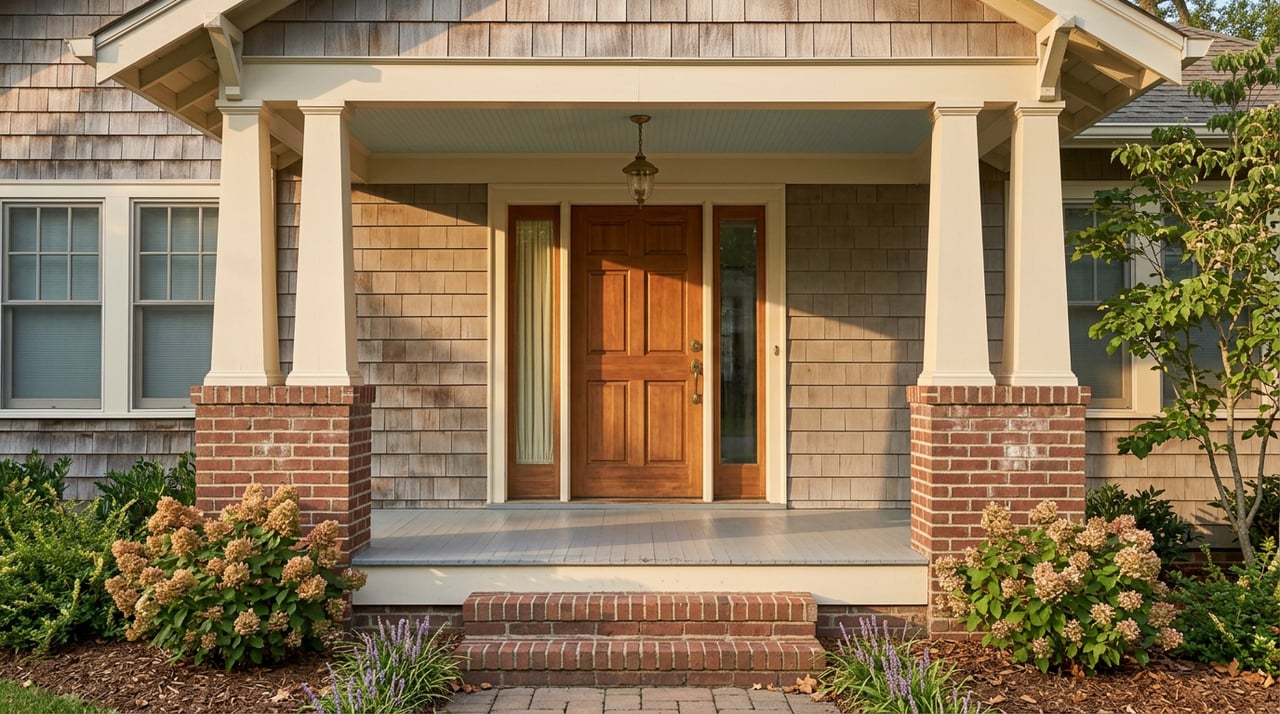
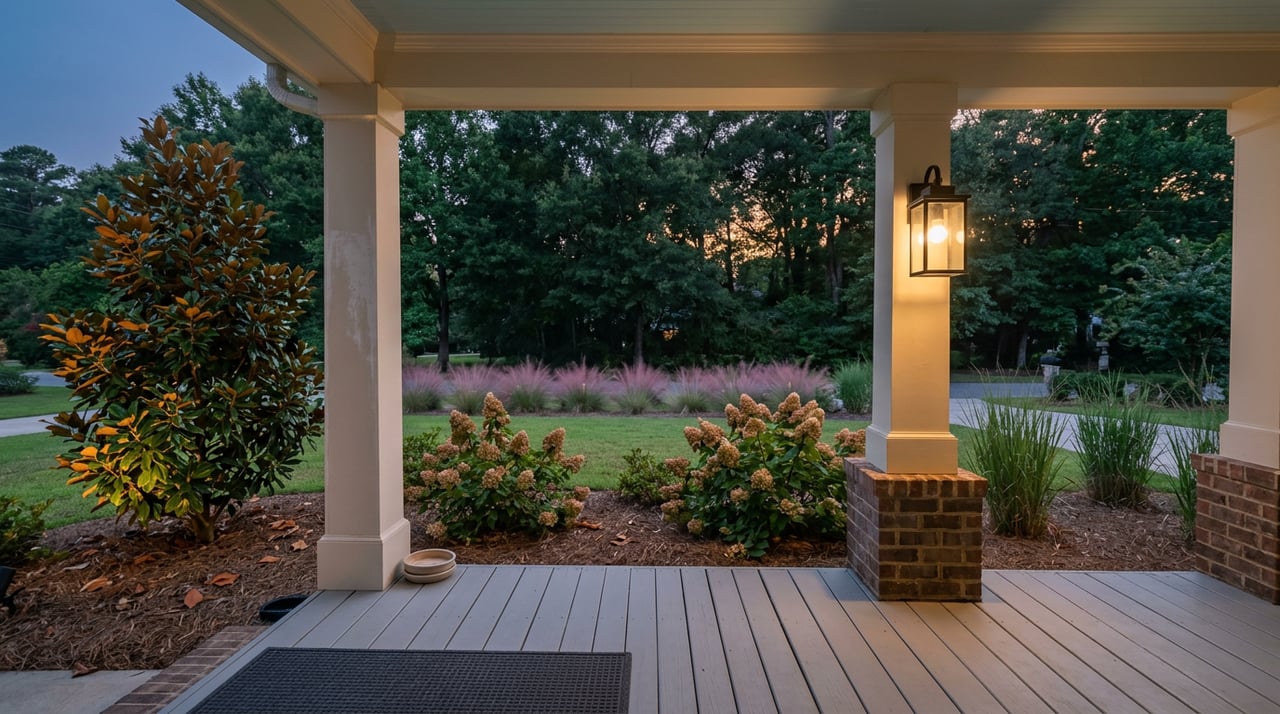
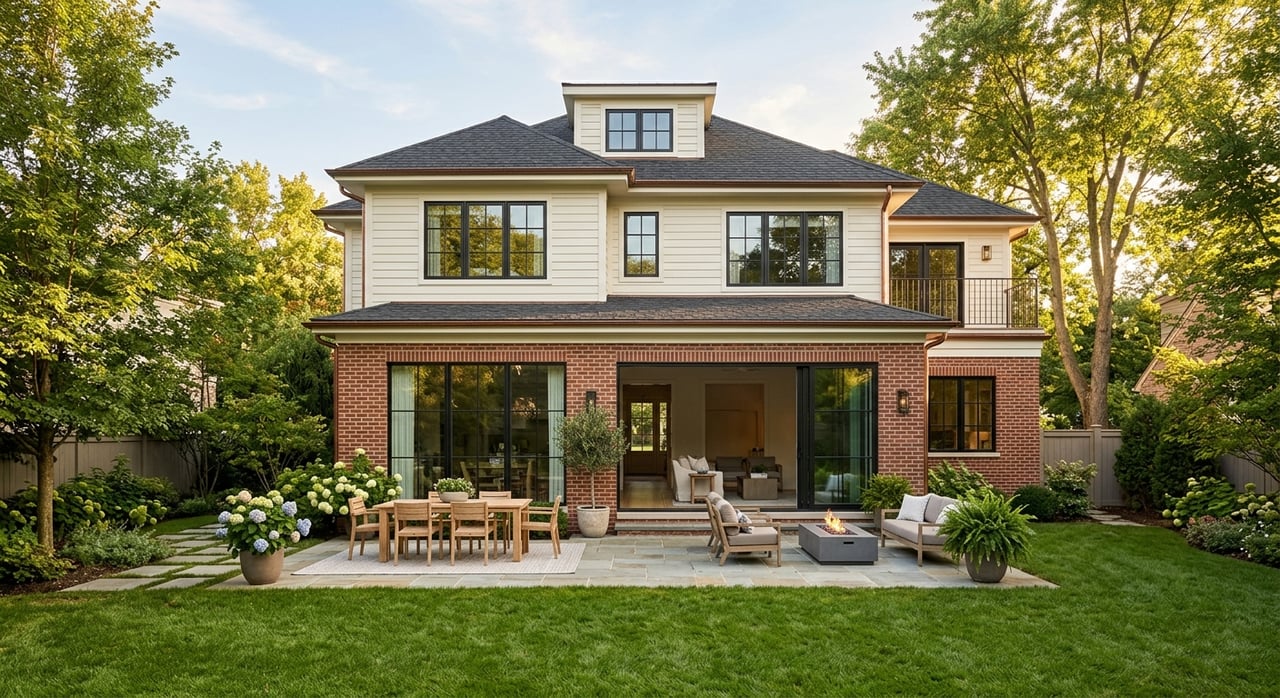
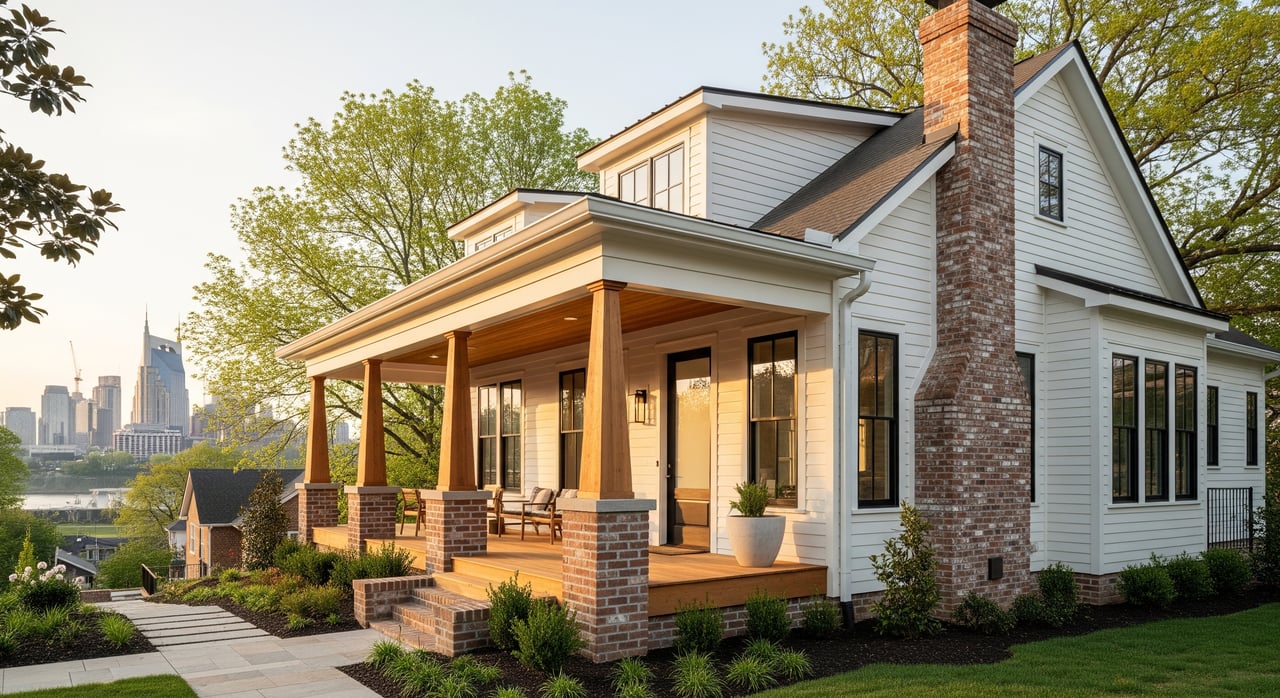
The housing mix includes early 20th century bungalows and craftsman homes, renovated historic properties, small multi-unit buildings, townhomes, condominiums, and newer infill houses. Local life leans independent and creative, with neighborhood restaurants, coffee shops, breweries, and small music venues. Parts of East Nashville are very walkable, while others are more car dependent.
Shelby Park and the adjacent Shelby Bottoms Greenway offer miles of trails and river views, which is a major draw if you want quick access to green space.
Neighborhood pockets and what to expect
Five Points and East End
Five Points is the best-known commercial and entertainment hub on the East Side. It is pedestrian friendly, with restaurants, bars, and shops close together. Housing in nearby blocks ranges from renovated bungalows to townhomes and small condo buildings. Parking can be tight at peak hours, so factor that in if you plan to rely on street parking.
Lockeland Springs and Eastwood
These areas feature many historic homes, including craftsman and bungalow styles on tree-lined streets. Some blocks may fall within local historic overlays that guide exterior changes, so you should check rules and approvals through the Metro Planning and Historic Zoning process via the Metro Nashville Government. Walkability is better near the neighborhood commercial nodes, while outer blocks skew more residential and quiet.
Inglewood
Farther north, Inglewood includes a wide range of single-family homes and a more residential feel. You’ll find older homes, some renovated and some more original. Walkability depends on the exact street, and many residents rely on cars for daily errands.
Shelby Park and Shelby Bottoms corridor
If you want park and greenway access, this corridor puts you close to trails and river views. Because it sits near the Cumberland River, it is important to review flood risk address by address. Use the FEMA map and local stormwater resources before you write an offer or sign a lease.
Housing options and market basics
You can expect a mix of single-family bungalows and craftsman homes, small multifamily buildings, townhomes, condos, and newer infill construction. Many older homes have received additions or full renovations. Competition tends to be strongest for well-renovated homes in central pockets like Five Points and Lockeland Springs, and inventory can be limited.
For current pricing, supply, and days on market, review the latest local MLS and brokerage reports. Because numbers change quickly, it is best to rely on up-to-date data rather than a static figure you saw months ago.
Renting vs. buying
- Renting: You’ll find historic rentals, small multifamily options, and newer apartment communities. Lease terms, parking, utilities, and pet policies vary by building. Short-term rentals are regulated within Metro Nashville. Review current ordinances through the Metro Nashville Government before you assume STR income will be allowed.
- Buying: Full inspections are key, especially with older homes. Budget for structural, pest, HVAC, and electrical inspections, and consider a sewer scope on older lines. Historic homes can come with older systems that may need upgrades over time.
Costs to plan for
- Property taxes: Davidson County collects property taxes, and rates and assessments can change. Review the most current assessments and payment schedules with county offices when you evaluate a property.
- HOA or condo fees: Some properties include monthly fees that cover shared services or maintenance. Include these in your monthly budget.
- Utilities and insurance: Electric, water, trash, internet, and insurance costs vary by property type and location. If the property is in a high-risk flood zone, your lender may require flood insurance.
Flood and environmental due diligence
Parts of East Nashville near the river or in low-lying areas carry flood risk. You should:
- Check the FEMA Flood Insurance Rate Map for the property’s exact address using the FEMA Flood Map Service Center.
- Review historical flooding records and local advisory resources through Metro Nashville’s stormwater teams.
- If needed, obtain an elevation certificate and request flood insurance quotes early in your process.
Utilities and municipal services
- Electricity: Nashville Electric Service provides most electric service in Metro Nashville. Set up or transfer service with Nashville Electric Service.
- Water, sewer, trash, and recycling: These are administered by Metro Water Services and Metro Public Works. You can review service details and schedules through the Metro Nashville Government.
- Internet and TV: AT&T and Charter Spectrum are major providers in the area, but availability can vary by street. Confirm options for your exact address.
When starting service, expect to provide identification and your lease or closing documents. Deposits may be required for new accounts.
Schools and childcare
East Nashville is served by Metropolitan Nashville Public Schools. School assignments depend on your address. Use the MNPS zone lookup to confirm your assigned schools and review enrollment steps. Families often look at additional options, including magnet, charter, and private schools. For a full picture, review MNPS resources and Tennessee Department of Education school report cards to understand performance and application timelines.
Use neutral data sources and confirm details directly with the district. School options and boundaries can change.
Getting around and commuting
Many residents drive for daily needs, though several pockets are a short bike or car ride to downtown. WeGo Public Transit operates local bus routes across Nashville. For specific routes and schedules, check WeGo Public Transit.
East Nashville has a growing network of bike lanes and greenways, including the Shelby Bottoms Greenway. Infrastructure varies by block, so test your route at the times you plan to travel. Near nightlife areas like Five Points, street parking can be limited during peak hours. Check for residential permit zones if parking is a priority.
Permits, renovations, and historic overlays
Before you purchase an older home or plan a remodel, check for a historic overlay and what it means for your project. Exterior changes and demolition in historic districts often require design review and approvals. Building, electrical, and plumbing work typically require permits through Metro Codes. Start with the Metro Nashville Government to understand the planning map, codes, and permit process.
Short-term rentals are regulated within Metro Nashville. Review current ordinances and eligibility before planning any rental income.
Step-by-step relocation checklist
4 to 12 weeks before your move
- Visit at different times of day to test commute, parking, and evening activity.
- Verify school zones with MNPS and review state report cards.
- Check flood risk for each address on the FEMA Flood Map Service Center.
- Review current market conditions with local MLS and brokerage reports. Speak with a local agent who knows East Nashville’s micro-markets.
Buyer action items
- Get pre-approved with a local lender so your offer is competitive.
- Partner with a local agent experienced in East Nashville’s historic housing and infill trends.
- Order full inspections, including structural, pest, HVAC, electrical, and a sewer scope for older properties.
- Review property disclosures for flood history, renovations, and code compliance.
- Confirm historic overlay status and the permit history for any major past work.
- Verify property tax history and HOA or condo obligations.
Renter action items
- Confirm lease length, renewal terms, and what utilities are included.
- Ask about guest and parking rules, pet policies, and any application fees.
- For older homes, clarify maintenance responsibilities and which appliances are included.
Moving logistics
- Schedule electric service with Nashville Electric Service and water/trash through the Metro Nashville Government.
- Confirm internet options for your exact address.
- If needed, apply for a residential parking permit and confirm rules for moving truck staging through Metro Public Works.
After you arrive
- Update your address with the DMV, banks, employer, and postal service.
- Register to vote in Davidson County.
- Confirm trash and recycling pickup schedules.
- Enroll children in school and set up healthcare providers.
Practical tips to choose the right block
- Walk the area at night and on weekends to get a real feel for noise and parking.
- If you want walkability, focus your search near Five Points and other compact commercial nodes.
- If you want quiet streets or a larger yard, look deeper into residential areas of Inglewood or Eastwood and confirm commute times.
- If you love parks, explore listings near Shelby Park and the greenway, then verify flood risk address by address.
- If you plan to renovate, check historic overlays and permit requirements early to avoid surprises.
Ready to take the next step with a local team that knows these blocks address by address? Reach out to Pinnacle Point Properties and Development to map your options, schedule tours, and move forward with confidence.
FAQs
Is East Nashville safe for new residents?
- Safety varies by block and changes over time. Review Metro Nashville Police crime statistics and visit at different times of day and night. Speak with neighbors and evaluate lighting, parking, and late-night activity near entertainment areas.
Do I need flood insurance in East Nashville?
- It depends on the property’s location and flood zone. Check the address on the FEMA Flood Map Service Center and request insurance quotes. Lenders may require coverage in higher-risk zones.
How long is the commute to downtown Nashville?
- Many East Nashville addresses are about 5 to 15 minutes by car during off-peak times. Bus service is available through WeGo Public Transit. Test your route at typical commute times.
What school options should I consider in East Nashville?
- School assignments are based on your address within Metropolitan Nashville Public Schools. Use the MNPS zone lookup and review Tennessee Department of Education report cards. There are also charter, magnet, and private options.
What permits do I need for home renovations?
- Most work requires permits through Metro Codes, and homes in historic overlays need design review for exterior changes. Start with the Metro Nashville Government to confirm requirements before you begin.