Torn between a character-rich bungalow and a sleek new build in East Nashville? You are not alone. Choosing between historic charm and modern convenience is one of the biggest decisions buyers make here. In this guide, you will see the real tradeoffs, typical costs, inspection priorities, permits, financing options, and a simple checklist to help you decide with confidence. Let’s dive in.
East Nashville at a glance
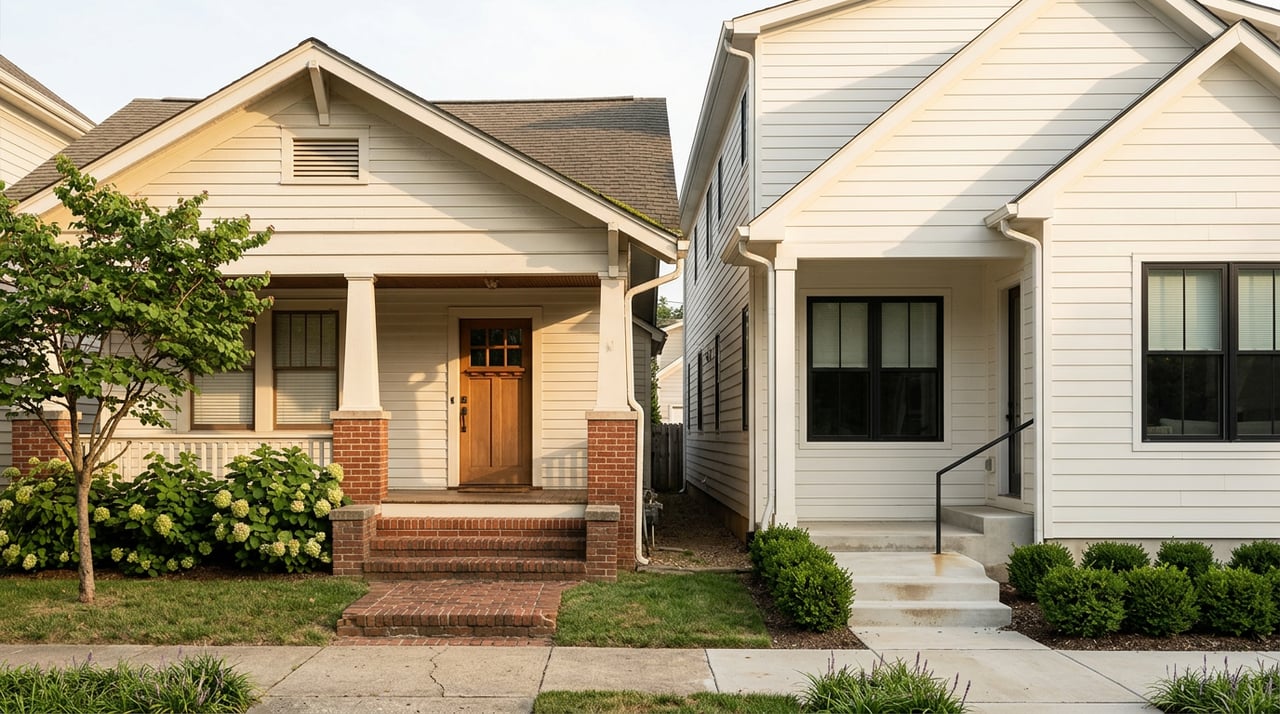
East Nashville grew as a late 19th and early 20th century streetcar suburb, so you will find porches, period trim, and tree-lined streets alongside newer infill. Styles range from Queen Anne and Folk Victorian to 1910–1930 bungalows and Craftsman cottages.
Area-level market reports show East Nashville selling above the Davidson County median, with recent 12-month medians often in the mid to high $500,000s. To gauge current pricing, review the latest figures in the East Nashville market report from Rocket Homes. (See the report)
Many blocks fall inside Metro Nashville historic overlays or Neighborhood Conservation Zoning Overlays. If you plan exterior changes, additions, or infill, read the Metro Historic Zoning Commission design guidelines and permit steps before you buy. (Start with MHZC guidelines and districts)
What historic homes offer
Architecture and materials
Historic East Nashville homes often feature original wood siding, plaster walls, narrow-plank hardwoods, and wood windows. Surviving details like front porches, stair newels, and trim shape the home’s character and its renovation path. The more original fabric you keep, the more careful your planning needs to be.
Inspections and systems to prioritize
- Electrical. Older houses can have knob-and-tube, cloth-insulated wiring, or undersized service panels that raise insurance and capacity concerns. A licensed electrician should evaluate these early. (Learn why knob-and-tube is flagged)
- Plumbing and sewer. Galvanized supply lines and clay or cast iron sewer lines are common in older homes. Always budget for a sewer camera scope; repairs can range from small trenchless fixes to larger replacements on urban lots. (See typical Nashville trenchless options and ranges)
- Foundation and moisture. Many homes sit on crawlspaces or pier-and-beam foundations. Look for settling, moisture, and pest issues. Bring in a specialist if you see standing water or decay.
- Roofing, porches, and exterior woodwork. Porches and eaves take weather. Preservation best practices favor repair in kind over full replacement when character matters. (NPS guidance on repair vs replacement)
Typical costs to plan
Actual bids vary by scope and site conditions. These planning ranges can help you set expectations:
- Kitchen remodel. Cosmetic updates can be five figures, while full mid-range gut projects often land around $35,000 to $80,000 in Nashville. Many sources suggest planning a healthy contingency. (Nashville renovation cost guide)
- Electrical panel upgrade. Moving from 100A to 200A commonly runs about $1,500 to $4,000, with more if wiring or grounding needs work. (Panel upgrade ranges)
- Sewer line repair or lining. Trenchless spot repairs can be in the low-to-mid thousands, with longer replacements higher depending on access and permits. (Local trenchless overview and ranges)
Tip: Plan a 10 to 20 percent contingency for unknowns, especially when opening walls or floors.
What modern builds deliver
Common features
New builds and recent infill often offer open layouts, modern kitchens, durable engineered finishes, central HVAC, 200-amp service, PEX plumbing, and energy-code insulation. You also gain builder warranties and more predictable early maintenance. (What to expect in a new build)
New-build due diligence
Even new construction benefits from a thorough pre-closing inspection and a punch-list review. Plan an 11-month warranty walkthrough to catch any settling or workmanship issues so they can be addressed within warranty. Quality varies by subcontractor and site conditions, so a second set of eyes pays off.
Permits, overlays, and timelines
Historic overlay basics
If the home sits inside a historic overlay or Neighborhood Conservation Zoning Overlay, visible exterior changes, large additions, and demolition often require a Preservation Permit. Projects that meet the written design guidelines can move faster. Before you plan an addition or outbuilding, confirm overlay status and read the guidelines for your district. (MHZC design guidelines and district maps)
Renovation sequence that works
- Safety and structure first. Address roof leaks, foundation issues, major electrical hazards, and active pest problems.
- Wet systems second. Replace failing sewer lines, repipe failing water lines, and update aging HVAC.
- Envelope and efficiency. Air seal and insulate. Repair or restore original windows where feasible in line with preservation guidance. (NPS best practices)
- Kitchens, baths, and finishes last. Plan layout tweaks only after core systems are secure.
How long projects can take
Whole-house or major structural rehabs can run several months to a year or more, depending on scope, materials, and required reviews. Even targeted system upgrades can stretch if permits, specialty trades, or historic approvals are needed. Build time buffers into your plan.
Financing and incentives
Renovation loans to know
If you find the right older home but it needs work, renovation financing can bundle purchase and improvements into one loan. FHA 203(k) offers Standard and Limited versions, each with clear rules on eligible work and consultant requirements. Conventional options like Fannie Mae HomeStyle may also fit. (FHA 203(k) overview)
Historic tax credits, explained
The 20 percent federal Historic Rehabilitation Tax Credit applies to certified rehabilitations of income-producing historic buildings. It does not apply to owner-occupied primary residences. Tennessee does not currently offer a broad owner-occupied state historic credit, so confirm program status if incentives are a key part of your plan.
Lead paint and safe work rules
If a home was built before 1978, disturbing painted surfaces can trigger EPA’s Renovation, Repair and Painting Rule. Use an RRP-certified contractor who follows proper containment and cleanup. (Lead-safe renovation basics)
Lifestyle and day-to-day living
Who loves historic charm
You may be drawn to original woodwork, deep front porches, and mature lots. You accept a bit more maintenance in exchange for character and a classic streetscape. The payoff can be daily enjoyment of authentic details and a strong sense of place.
Who prefers modern builds
You might prioritize move-in readiness, lower near-term upkeep, open living areas, and efficient systems. Newer homes can include attached or designed outdoor spaces and, in some cases, HOA amenities or rules. The tradeoff is less original detail but more predictability.
Buyer checklist: historic vs modern
- Street and lot. Do you want a mature lot, trees, and a deep front porch, or a simpler landscape with less exterior upkeep?
- Must-haves. List your top three needs, like bedroom count or a main-level suite. Decide what is non-negotiable versus cosmetic.
- Systems tolerance. Are you comfortable planning for electrical, plumbing, or HVAC updates, or do you want turnkey with warranties?
- Renovation budget. Set a firm budget plus a 10 to 20 percent contingency. For older homes, consider a higher buffer for concealed conditions.
- Regulatory comfort. If you will want an addition, will you accept possible design limits or added time under a historic overlay?
- Financing plan. Decide now if you will use a renovation loan, and get pre-approved for the combined purchase and improvement amount.
How we help you choose
You do not have to pick between charm and convenience alone. Our team knows the East Nashville blocks, the overlay rules, and the true costs behind the finishes. We will help you weigh character against maintenance, line up the right inspections, and structure offers that protect your budget and timeline. When you are ready, connect with us to explore listings that fit your style and scope with clarity and confidence. Work with (Pinnacle Point Properties and Development) to find your East Nashville fit.
FAQs
What does a historic overlay mean if I plan an addition in East Nashville?
- Many visible exterior changes, large additions, and demolitions require a Preservation Permit and must meet MHZC design guidelines. Check overlay maps and guidelines before you buy or design.
Which inspections are essential for a 1920s East Nashville bungalow?
- Prioritize electrical evaluation, a sewer camera scope, crawlspace and foundation review, and a roofing and porch assessment. Add pest and moisture checks as needed.
How much should I budget to update old house systems?
- Planning ranges vary, but a 200-amp panel upgrade often runs about $1,500 to $4,000 and sewer work can start in the low thousands, rising with length and access. Set a 10 to 20 percent contingency.
What should I expect from a new construction warranty in East Nashville?
- Do a pre-closing inspection to create a punch list, then schedule an 11-month walkthrough to catch items before warranty periods expire. Keep records and submit requests in writing.
Can I use FHA 203(k) to buy and renovate in East Nashville?
- Yes. FHA 203(k) can combine purchase and renovation into one mortgage if you qualify. It sets rules for eligible work and may require a HUD-approved consultant.