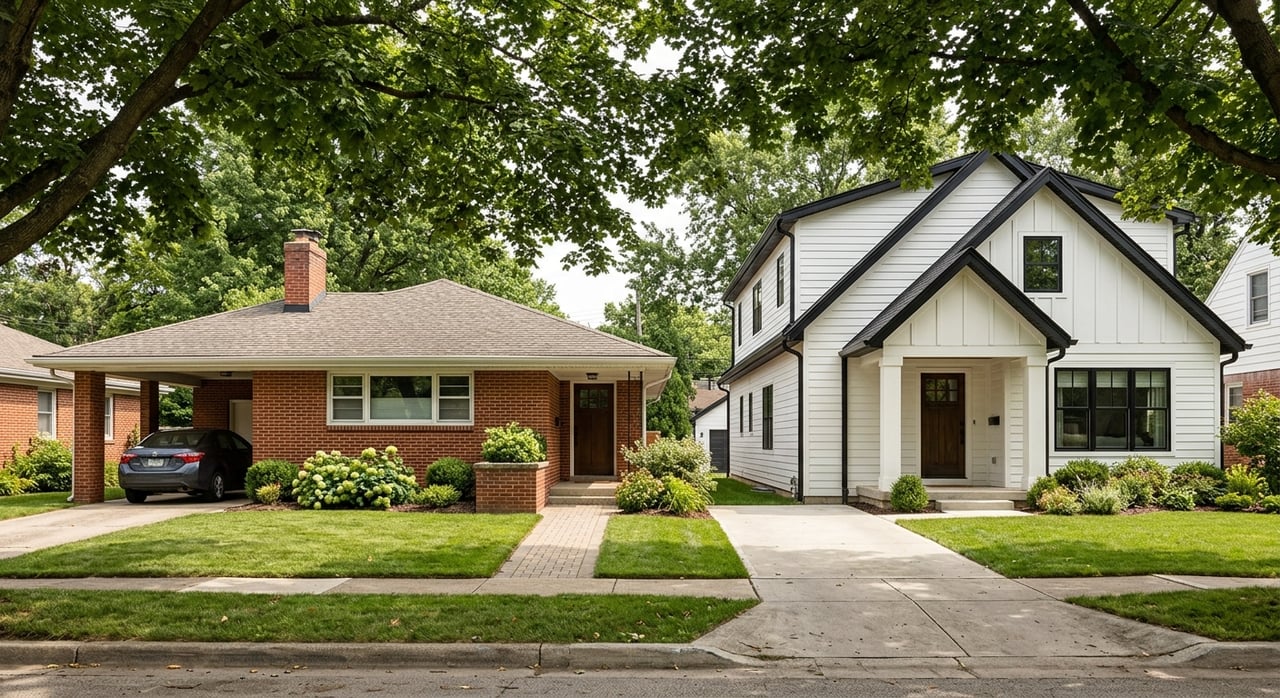
If you are preparing to sell in South Nashville, one number can lead you in the wrong direction fast. This part of Davidson County is not one neat market with one reliable price point or one typical timeline. Your home is competing in a much smaller, more specific slice of the market, and understanding that can help you price smarter, market better, and avoid costly guesswork. Let’s dive in.
Why South Nashville Works as Micro-Markets
According to Metro Nashville’s South Nashville planning materials, South Nashville includes overlapping areas with very different housing types, development pressure, and buyer appeal. Metro also treats neighborhood boundaries as advisory rather than fixed, which means broad labels can hide major differences from one pocket to the next.
That matters even more in a market with mixed signals. Greater Nashville REALTORS® reported 13,694 active listings in March 2026, about six months of inventory, and a 62-day average days on market for single-family homes, while Redfin’s Nashville city data showed a median sale price near $470,000 and a 98-day median days on market. For sellers, the takeaway is simple: citywide averages are useful background, but they are not a pricing strategy.
Why One South Nashville Average Falls Short
When you ask, “What is my South Nashville home worth?” the better question is, “Which South Nashville micro-market is my home actually in?” A property in Wedgewood-Houston is not competing with the same buyers, timelines, or nearby alternatives as a home in 37217 or along the 37211 corridor.
The research shows just how wide the spread can be. Across the areas covered here, median sale prices range from $325,000 in 37217 to $558,500 in Wedgewood-Houston, and median days on market range from 82 to 166 days. That is a large enough difference to change how you should price, present, and promote your home.
Wedgewood-Houston and Chestnut Hill
Expect a More Specialized Buyer Pool
Metro describes Wedgewood-Houston and Chestnut Hill as an area with older affordable housing, newer homes, industrial and industrially zoned land, public housing, improved transit, and an emerging arts district. It is also an area where zoning, land use, density, and neighborhood character have been under pressure to change.
That gives sellers a unique opportunity, but it also narrows the buyer pool. Redfin’s March 2026 data put the median sale price here at $558,500 with 166 days on market, which points to a slower and more specialized urban infill market than the broader city.
Block-by-Block Location Matters More Here
In this pocket, two homes with similar square footage can be viewed very differently based on street feel, frontage, nearby uses, and access. Metro notes that the Fairgrounds infrastructure project extends Wedgewood Avenue to improve multimodal connections across the area, while planning documents also note that major roads and interstates can divide neighborhoods.
For sellers, this means your marketing should be specific. If your location benefits from better connectivity, architecture, or proximity to established corridors, that story should be part of the listing strategy. At the same time, you should be prepared for buyers to look closely at property-specific details and to expect a longer marketing window.
Berry Hill and Franklin Pike
Berry Hill Plays by Its Own Rules
Berry Hill is not just another South Nashville neighborhood. The City of Berry Hill is an incorporated satellite city with its own planning and zoning, less than one square mile in size, a compact mixed-use setting, roughly 1,200 added residential units in recent years, and a mix of recording studios, music publishers, cottages, businesses, and parks.
That separate identity matters when you sell. If you price a Berry Hill home against broad Metro averages instead of true Berry Hill comparables, you risk missing the mark.
Use Berry Hill Comparables, Not Broad Nashville Medians
Recent Realtor.com data cited in the research classify Berry Hill as a buyer’s market with an average of 43 days on market, though the sample size is small. That means sellers should be careful not to overread one headline number.
The better approach is to focus on recent nearby sales, the home’s relationship to Berry Hill’s mixed-use setting, and how buyers are likely to value its municipal identity. In a small market like this, precision matters more than volume.
Woodbine, Glencliff, and 37211
An Active Area With Price Sensitivity
The broader South Nashville plan includes Woodbine, Glencliff, Glencliff Estates, Hill-n-Dale, Napier, Patricia Heights, Radnor, Raymond Heights, Woodycrest, Berry Hill, and Wedgewood-Houston. Metro describes the area as culturally and historically rich, with destinations like Adventure Science Center, Fairgrounds Nashville, Trevecca Nazarene University, 100 Oaks, and the City Cemetery.
For sellers in Woodbine, Glencliff, and the 37211 corridor, activity is there, but buyers still compare value carefully. Greater Nashville REALTORS® reported that 37211 was one of the most active Davidson County ZIP codes in 2025 with 852 closings, while Redfin’s March 2026 data show a median sale price of $449,950 and 109 days on market.
Condition and Utility Help Homes Stand Out
Planning history in the research notes Woodbine’s evolution from small cottages to ranch homes on larger lots. That mix means buyers may compare homes based on layout, lot use, updates, and daily convenience more than neighborhood label alone.
If you are selling in this area, lead with what buyers can clearly use and appreciate:
- Overall condition
- Functional layout
- Lot utility
- Commute access
- Practical updates that reduce immediate work
In a price-sensitive market, strong presentation helps, but sharp pricing still carries a lot of weight.
37013 and 37217 on the Southeast Edge
Affordability Shapes Buyer Behavior
On the southeast edge of the South Nashville conversation, affordability plays a bigger role. Greater Nashville REALTORS® data show that 37013 led Davidson County in 2025 with 1,121 closings, while 37217 was the city’s most affordable ZIP at a median sales price of $311,875.
Redfin’s March 2026 figures put 37013 at a $407,650 median sale price with 91 days on market. In 37217, the median sale price was $325,000 with 82 days on market, and sales averaged about 4% below list.
First-Week Pricing Is Critical
In these more affordability-driven areas, buyers often have more direct substitutes. They can compare several homes with similar size, age, and features, so your initial list price matters a great deal.
For sellers here, the most effective strategy is usually:
- Price competitively from day one
- Maximize exposure early
- Set realistic expectations for days on market
- Avoid assuming broad Nashville appreciation will carry the listing
If the home is priced too high at launch, buyers may simply move on to the next option.
What Moves Price and Timing
Housing Type Changes Buyer Expectations
The research points to one consistent pattern across South Nashville: housing stock varies widely. Wedgewood-Houston mixes older housing and newer homes, Berry Hill blends cottages with mixed-use redevelopment, and Woodbine reflects a long evolution from cottage homes to ranch properties on larger lots.
That variety shapes buyer expectations. A seller should think beyond square footage and consider how the home fits the expectations of that specific pocket.
Access Can Change Perception
Corridor access matters in South Nashville. Major roads and interstates can either connect a property or make it feel more isolated, and local infrastructure projects can shift how buyers view convenience and mobility.
That is one reason similar homes can perform differently. If your block offers easier access to major corridors or better connections to nearby destinations, that may influence both buyer interest and showing activity.
Zoning and Overlay Context Matter
Metro’s corridor design overlays set design standards for elements such as signage, landscaping, and front facades. In addition, the Wedgewood-Houston and Chestnut Hill planning work was designed to guide future physical and regulatory character while balancing affordability and neighborhood character.
For sellers, that can affect who your likely buyer is, what kind of updates they expect, and how they think about nearby future development. Even within the same broad area, one street may have a very different market feel than the next.
How Sellers Can Use This Information
A smart South Nashville selling strategy starts with micro-market positioning, not broad city averages. You want to know which nearby homes your buyers will actually compare, how long similar properties are taking to sell, and which features matter most in your specific pocket.
That usually means focusing on three decisions:
- Pricing based on the right comparables, not the widest map.
- Presentation that highlights the features local buyers care about most.
- Marketing that tells a neighborhood-specific story instead of using generic Nashville language.
When you get those three pieces right, you give your listing a better chance to attract attention early and reduce unnecessary time on market.
The Bottom Line for South Nashville Sellers
South Nashville is not one pricing bucket, one buyer pool, or one sales timeline. The gap between areas like Wedgewood-Houston, Berry Hill, 37211, 37013, and 37217 is large enough to influence both list price and marketing strategy in a very real way.
If you are thinking about selling, a neighborhood-level plan can help you make better decisions from the start. Pinnacle Point Properties and Development offers the local insight, responsive service, and polished marketing approach that can help you position your home for the market it is actually in.
FAQs
What does a South Nashville micro-market mean for home sellers?
- A South Nashville micro-market means your home should be priced and marketed based on its specific neighborhood or ZIP code, because prices and days on market can vary widely across the area.
How different are South Nashville home prices by area?
- Based on the research, median sale prices range from about $325,000 in 37217 to $558,500 in Wedgewood-Houston, showing why broad South Nashville averages can be misleading.
How long does it take to sell a home in South Nashville?
- It depends on the micro-market. The research shows median days on market ranging from 82 days in 37217 to 166 days in Wedgewood-Houston.
Should Berry Hill home sellers use Nashville comparables?
- Berry Hill sellers should focus on Berry Hill comparables first, since it is a separate incorporated city with its own planning and zoning context.
What matters most when pricing a home in 37211, 37013, or 37217?
- In these areas, sharp initial pricing, strong early exposure, and a clear understanding of competing listings are especially important because buyers often have more alternatives to compare.
Why does block-by-block location matter in Wedgewood-Houston?
- In Wedgewood-Houston, access, frontage, nearby uses, and corridor connections can shape buyer perception, so two similar homes may perform very differently depending on their exact location.