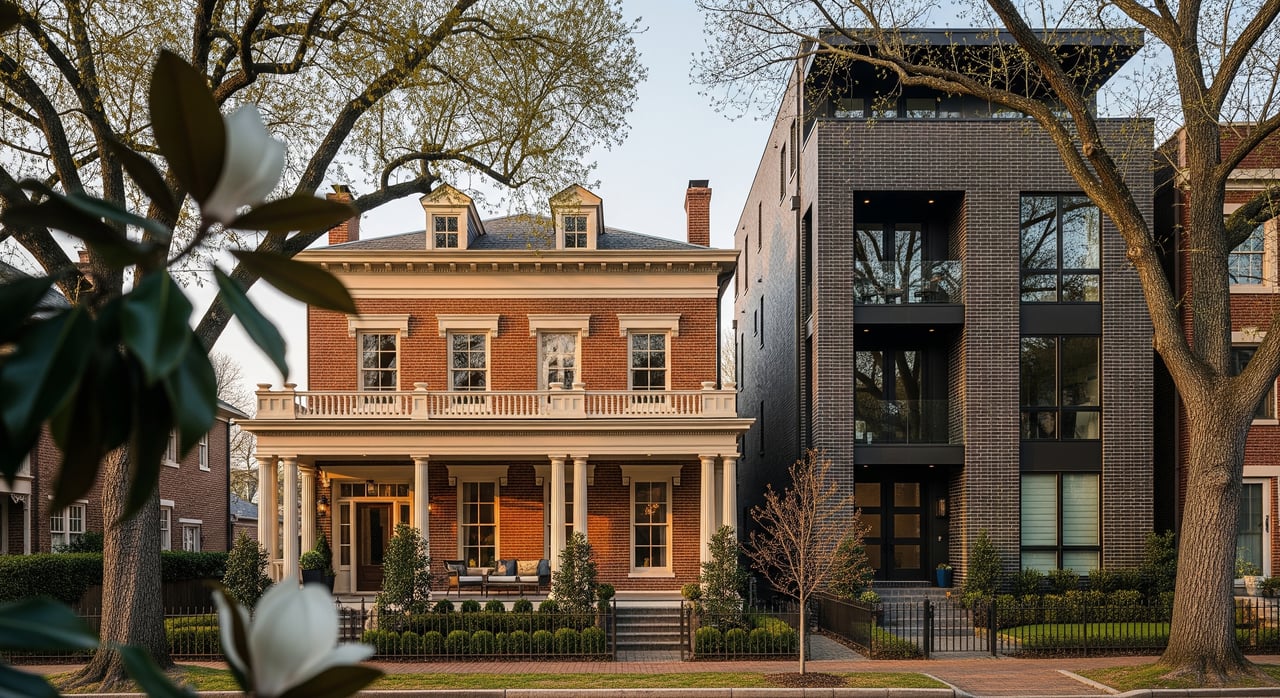
Trying to decide between a house or a townhome in North Nashville? You’re not alone. With so much infill construction, historic streets, and quick access to downtown, the right choice depends more on your block, budget, and lifestyle than a simple property label. In this guide, you’ll learn the key differences, neighborhood factors that matter most, and a simple cost model to help you compare options with confidence. Let’s dive in.
North Nashville at a glance
North Nashville generally covers neighborhoods north of downtown around the Cumberland River corridor. You’ll see familiar names like Germantown, Salemtown, parts of Buena Vista/North End, and Bordeaux. Each area has its own feel. Some blocks are historic and walkable, while others are more residential or still transitioning.
The area has seen steady demand since the 2010s, driven by proximity to downtown jobs and hospitals, walkability in older grid neighborhoods, and a surge of townhomes and small-lot new homes. This growth created a mix of high-end renovations closer to downtown and more affordable options as you move farther north. In many cases, micro-location on the block matters more to price and day-to-day livability than whether you buy a house or a townhome.
House vs. townhome: key differences
Maintenance and monthly costs
- Detached single-family homes put you in charge of the exterior. You handle the roof, siding, yard, and driveway, along with any structural upkeep. Many advisors suggest setting aside about 1 to 3 percent of the home’s value per year for maintenance, especially for older homes.
- Townhomes often include an HOA that covers parts of exterior care, landscaping, and common areas. You still handle your interior and sometimes your driveway or garage. HOA fees are a recurring cost, so you should confirm exactly what they cover and how healthy the reserves are.
Privacy and noise
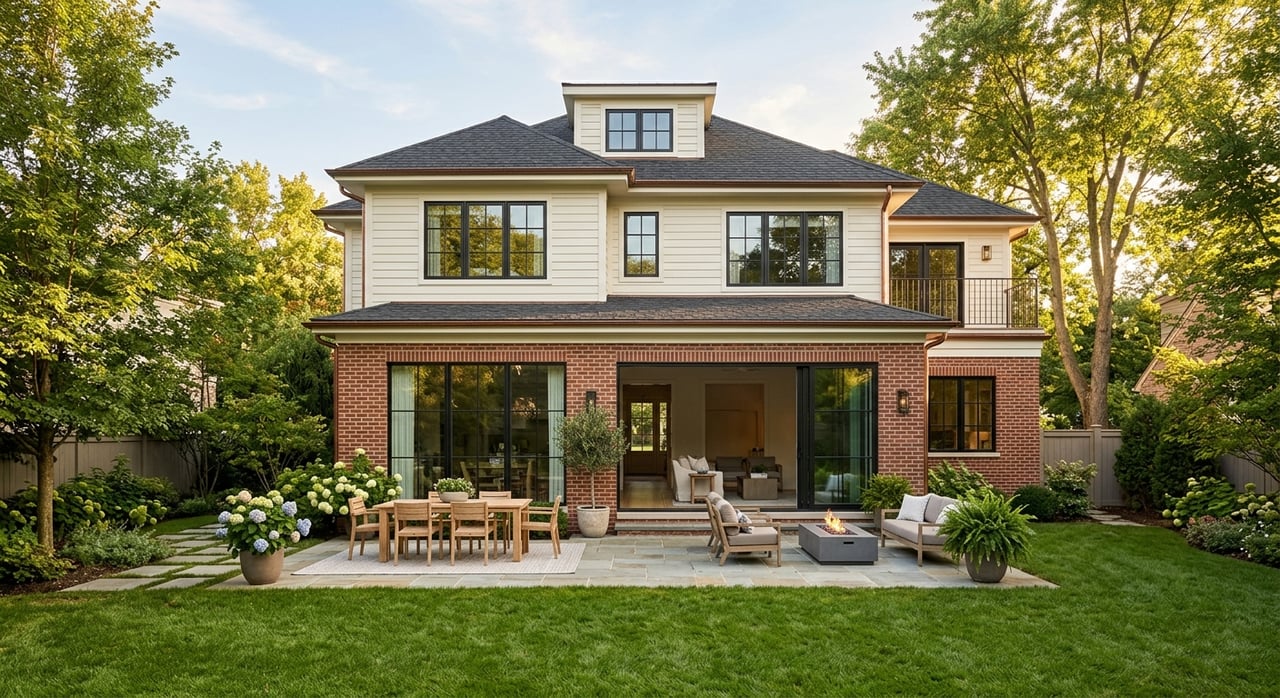
- Houses typically give you more separation from neighbors, larger setbacks, and a private yard, which means more privacy and less shared-wall noise.
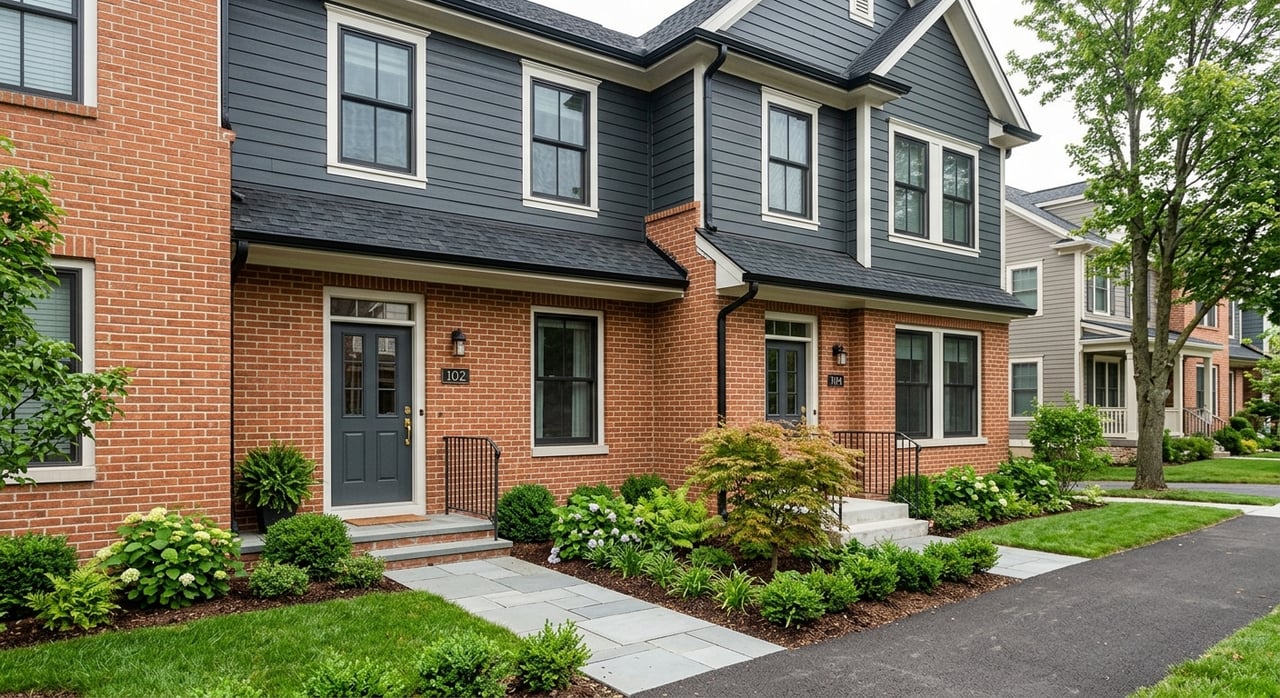
- Townhomes have shared walls and smaller setbacks, which can increase neighbor noise. Some designs place main living on upper floors or include rooftop decks, which can reduce street noise but not shared-wall transmission.
Outdoor space and landscaping
- Detached homes usually offer larger private yards, room for play areas or gardens, and potentially space for accessory structures. Any additions or accessory dwelling units will depend on local zoning and overlays.
- Townhomes often trade yard size for location and convenience. Expect small patios, limited private space, rooftop decks, or shared courtyards. If you want a large yard for pets, gardening, or play, a townhome may not be a perfect substitute.
Price and entry cost
- Townhomes typically offer a lower entry price in the same general area because of smaller lots and denser footprints. This can help first-time or value-conscious buyers get closer to downtown.
- Detached homes usually carry higher list prices because the lot value is greater. In North Nashville, brand-new townhomes on premium blocks can equal or exceed prices of older detached homes farther north.
HOA, covenants, and rules
- Many townhomes sit within HOAs that have covenants and rules about exterior appearance, parking, pets, and leasing. These can simplify upkeep but limit certain choices.
- Detached homes may or may not be in an HOA. If they are, rules vary. Always read the documents before you decide.
Financing and resale outlook
- Many lenders treat fee-simple townhomes similarly to detached homes. If the property is part of a condominium project, lender requirements can be more specific and may affect down payments or approvals. FHA and VA approvals can be more restrictive for condo projects, so it’s smart to check early in the process.
- Detached homes tend to draw a broader buyer pool, which can help with resale. Townhomes are popular with first-time buyers, downsizers, and buyers who prioritize walkability. Resale is strongest in highly walkable blocks near amenities and transit.
Insurance, taxes, and special costs
- Homeowners insurance differs based on property type and ownership structure. With townhomes, understand what the master HOA policy covers versus what you must insure.
- North Nashville includes lower-lying areas near the Cumberland River where flood risk can be higher. Check FEMA maps for any property you consider, and account for potential flood insurance if needed.
- Property taxes in Davidson County depend on assessed value and recent sales activity on the block.
Parking and storage
- Many detached homes provide private driveways and garages, which add storage and convenience.
- Townhomes vary widely. Some include garages or tandem parking. Others rely on street parking with rules set by the HOA or local regulations.
What matters most in North Nashville
Neighborhood micro-differences
- Germantown and nearby blocks: High demand, walkable streets, and quick access to restaurants and hospitals. Newer townhomes can command premium prices. Historic overlays may apply and can limit exterior changes.
- Salemtown and adjacent areas: A mix of older bungalows, infill townhomes, and small-lot new homes. These areas can balance affordability with a short commute.
- Bordeaux and farther north: More detached starter homes and generally lower price points compared to blocks near downtown. Expect longer commutes and fewer walkable amenities.
Zoning, historic districts, and permits
Zoning and overlay districts affect what you can build or change. In pockets with historic conservation overlays, exterior updates may need design review. If you plan to add structures or make exterior changes, you should confirm local requirements during due diligence.
Flood risk and topography
Lower-lying areas near the river can carry higher flood risk. Even outside mapped high-risk zones, localized drainage can create sump pump or moisture concerns. Review seller disclosures and ask about recent stormwater improvements or mitigation projects.
Transportation and commute
Proximity to downtown and major hospitals is a major draw. If you want to keep commute times short and value walkability, townhomes closer to core blocks may be a smart trade for smaller outdoor space. WeGo bus routes serve parts of North Nashville, and access to I‑40 and I‑65 helps for regional commutes.
Schools, parks, and family needs
School assignments in Metro Nashville Public Schools vary block by block. If schools are a priority, confirm current attendance zones for any property. Neighborhood parks and larger destinations like Bicentennial can round out your outdoor needs if you choose a townhome with limited yard space.
Short-term rental rules
Metro Nashville regulates short-term rentals and requires registration and compliance. Feasibility depends on zoning, permitting, and HOA rules. If rental flexibility is part of your plan, verify local regulations and the HOA’s stance early.
A practical decision framework
Start with lifestyle
- Choose a detached home if you want maximum privacy, a yard, and flexible outdoor use. This path often fits long-term family needs and buyers who enjoy projects.
- Choose a townhome if you want less exterior maintenance, prefer walkability, and want to keep your entry price lower compared to nearby detached options. Confirm the HOA details so there are no surprises.
Run a 5-year cost comparison
Create a side-by-side model so you can compare apples to apples.
- Purchase and closing
- Estimate purchase price and your down payment.
- Include typical closing costs.
- Monthly and annual costs
- Mortgage principal and interest based on your loan terms.
- Property taxes for the assessed value range you expect.
- Homeowners insurance. If a townhome has a master policy, note what you still need to insure.
- HOA dues for townhomes. List exactly what they cover.
- Maintenance reserve for detached homes using the 1 to 3 percent annual guideline of home value. Aim toward the higher end for older homes.
- Utilities, landscaping, and expected capital items like roof or HVAC.
- Flood insurance if the property is in or near a higher-risk zone.
- Resale assumptions
- Who is your likely future buyer and what will they value on your block?
- Townhome appeal can be strongest in highly walkable locations. Detached homes often draw larger households and buyers seeking yards.
- Consider expected time on market based on the block and property type.
Questions to ask on every property
For townhomes:
- Is ownership fee-simple or a condominium structure? Confirm the legal documents.
- What is the HOA fee and exactly what does it cover? Any special assessments coming?
- Are rentals restricted by the HOA or local ordinance?
- Does the HOA have solid reserves and recent financials?
For detached homes:
- What are realistic annual maintenance costs based on age and condition?
- Have major systems been repaired or replaced recently? Any deferred maintenance?
- Are there lot-specific issues like drainage or trees that need work?
For both:
- What is the flood zone status, and have there been prior flood or drainage issues?
- What is the property tax history?
- How does parking work for owners and guests?
- Are there any historic overlays, zoning limits, or design review requirements?
- Do your loan program and lender have any special requirements for this property type?
Sample buyer scenarios
- You work at a downtown hospital and want to walk or bike. A townhome in a walkable block near Germantown or Salemtown might suit you, even if outdoor space is limited. Your HOA could simplify exterior maintenance while you focus on your schedule.
- You have a growing household and want a private yard. A detached home in Bordeaux or farther north may deliver more square footage and outdoor space at a lower price point than core blocks. Expect a longer commute and plan for ongoing maintenance.
- You are a value-conscious first-time buyer who wants to build equity. Compare townhomes near the core with detached homes slightly farther out. Run the 5-year model and include HOA dues for the townhome versus a maintenance reserve for the house. Let the numbers and lifestyle guide your choice.
How Pinnacle Point helps you choose confidently
Buying in North Nashville is about fit and foresight. Our team pairs block-by-block knowledge with a clear, numbers-first approach so you can weigh tradeoffs without guesswork. We help you compare properties across Germantown, Salemtown, Buena Vista/North End, and Bordeaux, factoring in overlays, flood considerations, parking, and HOA details.
With buyer representation tailored to your goals, we coordinate showings, request and review HOA documents when applicable, and guide you through inspections and contingencies. You get the local insight and consistent communication you need to move forward with confidence.
Ready to explore options and build your side-by-side plan? Connect with us at Pinnacle Point Properties and Development to get started.
FAQs
What are the biggest cost differences between a house and a townhome in North Nashville?
- Townhomes often have HOA dues that cover some exterior costs, while detached homes require you to budget roughly 1 to 3 percent of home value per year for maintenance. Your 5-year model should include mortgage, taxes, insurance, HOA or maintenance reserve, utilities, and possible flood insurance.
How does flood risk affect the house versus townhome choice in North Nashville?
- Properties closer to the Cumberland River or in lower-lying areas can carry higher flood risk. Account for potential flood insurance and review seller disclosures, drainage history, and any recent mitigation work for both houses and townhomes.
Are townhomes always cheaper than detached homes in this area?
- Not always. Newer townhomes on premium, walkable blocks near downtown can match or exceed older detached homes farther north. Micro-location often drives price more than property type alone.
What should I review in an HOA before buying a townhome?
- Confirm fee amounts, what they cover, reserves, rules around leasing and pets, parking policies, and any pending assessments. Request recent financials and meeting minutes to understand the community’s planning and maintenance priorities.
How do historic overlays and zoning affect my decision?
- Overlays can limit exterior changes and affect renovation plans, especially in historic districts like parts of Germantown. Zoning also controls lot coverage and whether additions or accessory units may be allowed, which can matter more for houses than townhomes.
Which option has better resale potential in North Nashville?
- Detached homes often appeal to a broader set of buyers seeking yards and privacy, while townhomes perform well in walkable, amenity-rich blocks. Your likely future buyer and block characteristics should shape your resale strategy.