If you have started house hunting in East Nashville, you have probably already noticed something important: "East Nashville" is not just one kind of neighborhood. One street may feel historic, walkable, and close to the action, while another a few minutes away feels quieter, more residential, and more spread out. If you are trying to decide where you fit best, this guide will help you compare the main East Nashville areas in a practical way. Let’s dive in.
East Nashville Is More Varied Than Many Buyers Expect
Metro planning materials describe East Nashville as an area just east of downtown with a mix of historic urban residential neighborhoods and more classic suburban neighborhoods. The housing mix ranges from single-family homes and two-family homes to carriage houses, townhomes, and stacked flats. That is a big reason buyers often compare East Nashville block by block instead of relying on one broad label.
The area many people casually call East Nashville also stretches wider than some buyers expect. Metro’s planning area includes places like Inglewood, McFerrin Park, and Rosebank, and it notes that architecture helps define each neighborhood’s identity. For you as a buyer, that means home age, lot size, walkability, and the amount of new construction can shift quickly depending on where you look.
Lockeland Springs, East End, and Edgefield
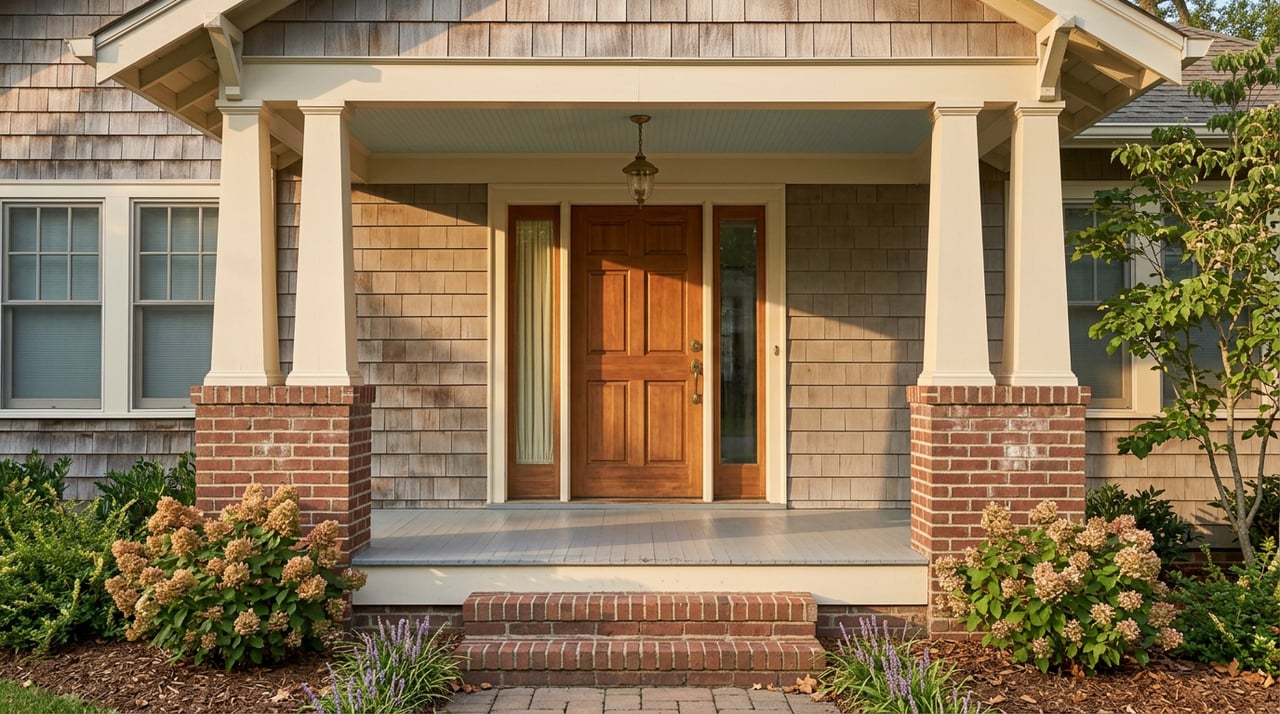
If you are drawn to historic character, this is often the part of East Nashville that stands out first. Edgefield was one of Nashville’s first suburbs, and the broader Lockeland Springs-East End area developed with turn-of-the-century cottages, bungalows, English cottages, and earlier Italianate and Queen Anne homes. The result is a pocket that often feels established, detailed, and visually distinctive.
This area is usually a strong fit if your priorities include porches, mature streetscapes, and a more walkable setting. Compared with farther-east sections of East Nashville, buyers here often trade larger lot sizes for charm and closeness to nearby commercial nodes. If you want a home with personality and a more urban feel, this pocket often lands high on the list.
What buyers often like here
- Historic architecture and older housing stock
- Established streetscapes and mature trees
- Strong walkability compared with more residential pockets
- A close-in feel near the urban core
What to think through
- Lot sizes may be smaller than in more residential sections farther east
- Historic overlay rules may affect future exterior changes
- Home style and condition can vary significantly from block to block
Five Points and the Central Core
If your version of East Nashville includes being close to restaurants, small-scale commercial activity, and a more pedestrian-friendly daily routine, Five Points is usually the reference point. Metro identifies Five Points as one of East Nashville’s mixed-use focal points, and city bikeway planning has focused on improving connections between residential streets, Five Points, Shelby Bottoms, and routes into downtown.
For many buyers, this is the pocket that feels most urban. It can be appealing if you want easy access to neighborhood activity and a location that feels connected to both daily conveniences and downtown Nashville. If your lifestyle values being near the center of things, this area often checks that box.
Best fit for buyers who want
- A more urban East Nashville experience
- Easy access to mixed-use commercial areas
- Strong pedestrian and bike connections
- Quick access toward downtown and nearby parks
Greenwood, McFerrin Park, and Cleveland Park
This part of East Nashville often appeals to buyers who want historic housing stock but are also comfortable with an area that is actively evolving. Greenwood is described as an intact early-twentieth-century streetcar suburb with well-preserved homes in styles like Queen Anne, Folk Victorian, Craftsman bungalow, American Foursquare, and Tudor Revival. That architectural variety gives the area strong visual character.
At the same time, nearby McFerrin Park and Cleveland Park are seeing ongoing public investment. Research for this area points to water and infrastructure replacement, planned bikeways, and recent playground improvements at McFerrin Park. For buyers, that often creates a different feel than Lockeland Springs or East End, where the historic identity may feel more settled and established.
Why some buyers focus here
- Historic homes remain a major draw
- Public improvements may shape the area over time
- Streetscapes can feel more transitional and change-oriented
- Access to parks and community amenities adds appeal
A practical takeaway
If you are open to an area where the housing stock has character and the surroundings are still changing, this pocket may deserve a closer look. It can be a smart place to compare carefully at the property and block level rather than making assumptions based on a broad neighborhood name.
Inglewood, Rosebank, and the Eastland Edge
If you want East Nashville access but prefer an area that feels more residential and less compressed, this is often where your search starts to shift. Inglewood Place is described as a residential streetcar suburb with single-family houses, duplexes, and multifamily residences. The housing styles include Craftsman, English Cottage Revival, Colonial Revival, Tudor Revival, Minimal Traditional, and Ranch influences.
On the Rosebank and Eastland side, Metro policy work emphasizes walkable neighborhoods, transportation choices, a range of housing choices, and infill development. Compared with Five Points or the inner historic core, this part of East Nashville usually reads as more spacious and more purely residential. For many buyers, that balance is the main appeal.
This pocket may suit you if you want
- A more residential setting
- A little more breathing room than the central core
- A wider mix of home styles and eras
- East Nashville access without the densest feel
How Location Changes the Feel of East Nashville
East Nashville is close to downtown, but not every pocket feels equally close in day-to-day life. Metro notes that Shelby Park is about two miles from downtown, while Shelby Bottoms is less than four miles from Lower Broadway. Bikeway planning also aims to help residents reach Five Points, Shelby Bottoms, and river crossings into downtown.
In practical terms, the western and southwestern pockets often feel the most in-town. As you move farther east and north, you may gain a more residential environment while giving up a little convenience in reaching downtown quickly. That does not make one area better than another, but it does matter when you think about your routine.
Parks and Amenities Matter More Than Buyers Expect
Many buyers start by focusing on architecture or price point, but amenities often shape daily life just as much. Shelby Park and Shelby Bottoms create a major riverfront open-space system with trails, golf, a dog park, and community programming. East Park Community Center serves the core area, McFerrin Park has a newly upgraded playground and pavilion, and the Inglewood branch library is an important neighborhood anchor on Gallatin Pike.
When you compare homes, it helps to think beyond the house itself. A property near the amenities you will actually use can feel very different from one that looks similar on paper but is less connected to your day-to-day routine.
What Buyers Should Verify Early
East Nashville’s variety is part of its appeal, but it also means you should confirm a few property-specific details before you get too far into a purchase.
Historic overlay status
Nashville notes that historic overlays protect neighborhood character through design review. They do not change what a property may be used for, but they can affect exterior changes, additions, demolition, relocation, and setbacks. Because multiple East Nashville pockets fall within historic or conservation districts, it is smart to check overlay status early if you expect to remodel.
School zoning by address
MNPS directs buyers to use the Zone Finder to determine zoned schools. East Nashville includes both zoned options and magnet or choice schools, so a neighborhood name alone does not tell the whole story. If schools are part of your search, verify them by exact address rather than by assumption.
Flood-zone and insurance considerations
Metro planning materials highlight the importance of preserving floodway and floodplain areas, especially near Shelby Park, Shelby Bottoms, and the Cumberland River. If you are considering a home near the river or greenway, verify flood-zone status and any insurance requirements on that specific property before writing an offer.
How to Choose the Right East Nashville Pocket
The best East Nashville area for you depends less on the label and more on your priorities. If you want walkability and a more urban setting, the Lockeland Springs, East End, and Five Points core often stand out. If you want the strongest historic character, Edgefield and Lockeland Springs-East End are usually top contenders.
If you prefer a more residential feel, Inglewood, Rosebank, and the Eastland edge may be the better fit. If you are comfortable with a pocket that is evolving and seeing public investment, Greenwood, McFerrin Park, and Cleveland Park may be worth a closer look. The key is to compare how each area lives, not just how it looks on a map.
Buying in East Nashville usually comes down to matching your lifestyle with the right micro-location. If you want help narrowing your search, comparing blocks, and spotting the practical details that matter before you write an offer, Pinnacle Point Properties and Development is here to help.
FAQs
Which East Nashville area is most walkable for homebuyers?
- The Lockeland Springs, East End, and Five Points core is usually the most walkable because Five Points is a mixed-use focal point and the area has strong bike and pedestrian connections.
Which East Nashville pocket has the most historic character?
- Edgefield and Lockeland Springs-East End are often the strongest choices for historic character because of their older housing patterns, architectural variety, and historic overlay protections.
Which East Nashville area feels most residential or spacious?
- Inglewood, Rosebank, and the Eastland edge usually feel the most residential and less compressed compared with the denser central core.
Which East Nashville neighborhoods are still changing the most?
- Greenwood, McFerrin Park, and Cleveland Park are often viewed as the areas seeing the most change because of infrastructure work, bikeway planning, and other public investment.
What should East Nashville buyers verify before making an offer?
- Buyers should verify historic overlay status, school zoning by exact address, and flood-zone or insurance considerations for properties near the river, greenway, Shelby Park, or Shelby Bottoms.