Thinking about buying a historic home in East Nashville? It can be one of the most rewarding ways to own a home with real personality, but it also comes with rules, upkeep, and a renovation process that may look very different from a typical property. If you want charm without surprises, it helps to know what “historic” actually means here, what changes may need approval, and what to check before you close. Let’s dive in.
East Nashville historic homes have real variety
One of the first things to expect is that East Nashville’s historic housing stock is not all the same. Instead of one uniform look, you will find a mix of architectural styles and time periods across the area’s historic core.
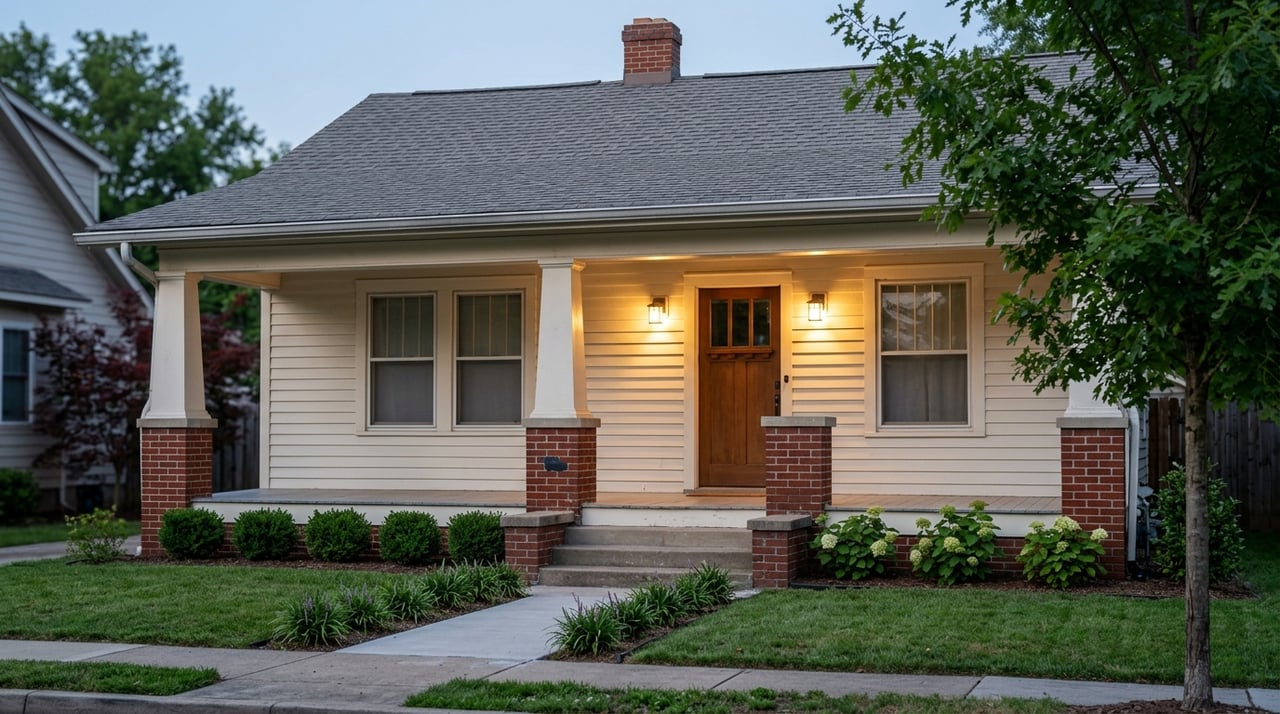
In and around East Nashville’s historic districts, homes may reflect Beaux Arts, Stick/Eastlake, Queen Anne, Classical Revival, Bungalow, English Cottage, and Victorian influences. Areas such as Lockeland Springs-East End and Edgefield are especially known for late-19th- and early-20th-century homes, along with details like original brick sidewalks and established streetscapes.
You will often see recognizable historic blocks around streets and corridors such as Fatherland, Russell, Boscobel, Woodland, Shelby, South 10th, and the broader Gallatin Pike, Edgewood, North 16th, and Russell area. For a buyer, that usually means more variety in floor plans, lot layouts, and exterior features than you might find in a newer subdivision.
What “historic” means in Nashville
A lot of buyers assume that if a home is historic, all rules are the same. In Nashville, that is not the case. A key thing to understand is the difference between a National Register listing and a local historic overlay.
A National Register listing by itself does not place federal restrictions on a private owner. Local historic overlays are what matter most for day-to-day ownership decisions. In Nashville, historic zoning review can affect exterior changes, additions, demolition, and relocation, while the base zoning still governs how the property may be used.
East Nashville includes several local overlay types. These include Lockeland Springs-East End NCZO and Edgefield HPZO, along with nearby districts such as Eastdale, Eastwood, Greenwood, Inglewood Place, and Woodlawn West. Because rules depend on the exact parcel, you should verify a property’s overlay status rather than rely on a listing description or neighborhood reputation.
Why the exact parcel matters
Two homes on nearby streets may have different review requirements. One may fall inside a local overlay district, while another may not. That can make a big difference if you hope to replace windows, build an addition, alter a porch, or change visible exterior features.
Nashville’s design guidelines are built around preserving historic character. In general, they prioritize keeping distinctive materials and ensuring that any new work is compatible with the original structure.
Expect a more careful renovation process
If you love historic homes, this may feel like part of the appeal. If you want quick exterior changes with minimal review, it may feel restrictive. Either way, it is better to know this before you buy.
In Nashville, work that requires a Preservation Permit should not begin without one. Once a permit is issued, inspections and additional reviews may still be part of the process, and unpermitted work is considered a violation.
For projects that are pre-approved and clearly meet the guidelines, a permit is generally issued within about four days. Larger or more visible projects, including infill, major additions, demolition, and setback determinations, are more likely to go through commission review and may require public notice.
Exterior details usually get the most attention
Historic review often focuses on visible exterior elements. That commonly includes windows, doors, roofing, and other features that shape the home’s street-facing appearance.
The guidelines generally favor repair over replacement when possible. If replacement is approved, the new feature should match the historic feature in design, color, texture, and, when possible, materials.
This does not mean you can never improve or update a historic home. It does mean you should expect more documentation, more planning, and less flexibility on highly visible exterior changes than you would have with a non-historic property.
Additions and front-facing changes are more limited
Many buyers want to know how far they can go with expansion. In East Nashville historic districts, the answer often depends on where the change is located and how it affects the home’s original form.
Front additions are generally discouraged. Enclosing a front porch is not considered appropriate, and adding a front porch to a contributing house that did not historically have one is also not appropriate.
Rear additions may be allowed, but they must be compatible with the home in scale, setback, and massing. Nashville’s guidelines also emphasize that new work should be removable in the future without damaging the home’s historic form.
Plan carefully for parking and equipment
Practical updates matter too. Garages, parking pads, driveways, and utility equipment are all handled with care under the guidelines.
In general, parking is pushed toward the rear when possible. New driveway width is limited, and items such as HVAC equipment and meters should be placed to reduce visibility from the street.
If you are considering a major remodel or a more ambitious redesign, pre-application review is encouraged for infill, additions over 1,500 square feet, and other large or unusual requests. That extra step can help you understand concerns early, before you spend too much time or money on plans that may need major revisions.
Due diligence matters before closing
Historic homes reward careful buyers. Before you close, take time to confirm what the property is, what work has already been approved, and whether any issues are still unresolved.
A smart due diligence checklist includes:
- Verifying the parcel in Nashville’s Historic Zoning Lookup or Parcel Viewer
- Asking for any prior Preservation Permits tied to the property
- Requesting approved drawings for past exterior work or additions
- Checking for unresolved historic-zoning issues
- Reviewing whether your planned updates may trigger additional review
This step is especially important if the home has already been renovated. A polished exterior does not always tell you whether the work was reviewed, approved, or completed in line with local guidelines.
Floodplain checks can matter too
East Nashville buyers should also pay attention to floodplain questions, especially for property near the Cumberland River or a tributary drainage area. Davidson County lies entirely within the Cumberland River drainage, so location-specific review is important.
If a home is in a Special Flood Hazard Area, Metro requires local permits for development. For new residential structures built in the floodplain, the lowest finished floor must be four feet above the 1-percent-annual-chance flood elevation.
That may not affect every historic property you consider, but it is one more reason to match the house, lot, and location to your plans before moving forward.
Budget for upkeep, not just purchase price
A historic home in East Nashville often offers what many buyers want most: character, original details, established streetscapes, and a sense of continuity that is hard to recreate. But that value does not come with a free pass on maintenance.
Owning this type of property usually means budgeting for ongoing care, especially when preserving original materials or addressing visible exterior features in a way that aligns with local guidelines. Costs can rise if your project requires specialty materials, design revisions, or commission review.
Some historic-rehab incentives do exist, but they are limited and project-specific. The federal Historic Tax Credit applies to certified historic structures, and Metro’s Historic Property Tax Exemption program applies only to certain qualifying historic and endangered properties that are not zoned R or RS.
Who tends to enjoy historic home ownership most
Historic home ownership is often the best fit for buyers who truly value preserved façades, front porches, original design details, and a more measured renovation process. If you appreciate the idea of being a steward of an older home, the tradeoffs may feel well worth it.
If your goal is fast, unrestricted exterior change, a historic property may feel frustrating. The right fit often comes down to whether you see the guidelines as a burden or as part of what protects the home’s long-term character.
What to expect emotionally and practically
Buying a historic home is not just a style decision. It is also a lifestyle decision. You are choosing a property with history, visible design standards, and a more structured path for many exterior changes.
For many East Nashville buyers, that is exactly the point. They want mature streetscapes, homes with architectural identity, and neighborhoods where the built character is more likely to stay consistent over time.
The key is going in with clear expectations. When you understand the overlay, permit process, renovation limits, and maintenance realities up front, you can buy with much more confidence.
If you are considering a historic home in East Nashville, working with a local team that pays attention to parcel-level details can help you avoid costly surprises. To talk through neighborhoods, due diligence, and what to watch for in a specific property, connect with Pinnacle Point Properties and Development.
FAQs
What does a historic overlay mean for a home in East Nashville?
- A local historic overlay in Nashville can affect exterior changes, additions, demolition, and relocation, while the property’s base zoning still governs use.
What kinds of homes are common in East Nashville historic areas?
- East Nashville historic areas include a mix of cottages, bungalows, Queen Anne, Victorian, Classical Revival, English Cottage, and other late-19th- and early-20th-century homes.
What renovations usually need review for a historic home in Nashville?
- Visible exterior work such as changes to windows, doors, roofing, additions, demolition, and relocation often receives the most review and may require a Preservation Permit.
What should buyers check before closing on a historic home in East Nashville?
- Buyers should verify the parcel’s overlay status, ask for prior Preservation Permits and approved drawings, and check for unresolved historic-zoning issues tied to the property.
Can you add onto a historic home in East Nashville?
- Rear additions may be allowed if they are compatible in scale, setback, and massing, but front additions are generally discouraged and front porch enclosure is not appropriate.
Are there tax incentives for historic homes in Nashville?
- Some incentives exist, but they are limited and project-specific, including the federal Historic Tax Credit for certified historic structures and Metro’s exemption program for certain qualifying properties.