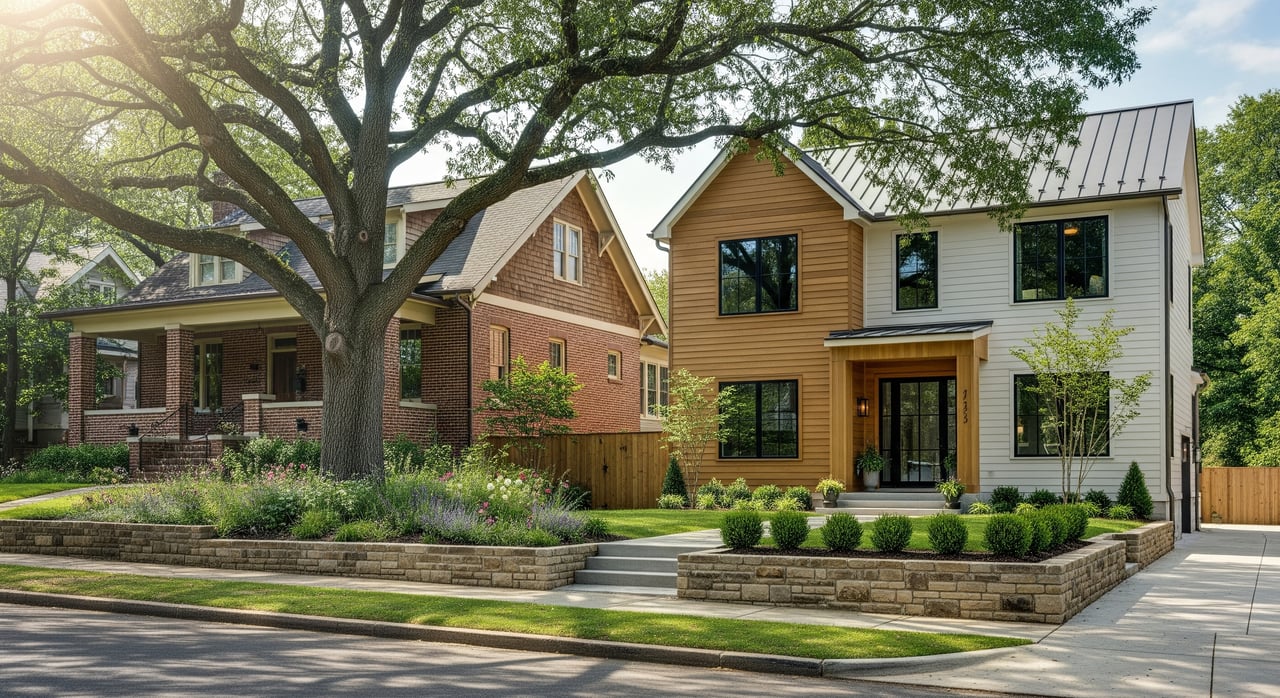
Trying to decide between a brand-new build and a resale home in Southeast Nashville? You are not alone. With inventory shifting and options ranging from infill homes to fresh subdivisions, it can be tough to weigh costs, timelines, and long-term value. In this guide, you will learn the real differences between new construction and resale in Southeast Nashville, what to watch for in our local market, and how to choose the right path for your goals. Let’s dive in.
Southeast Nashville at a glance
Southeast Nashville includes established neighborhoods, infill lots, and newer subdivisions in the outer corridor. Inner areas tend to have fewer open lots for new builds, while outer areas still offer land for planned communities. The market saw rapid appreciation earlier in the 2020s, followed by a cooler pace and more balanced negotiations. Inventory and pricing vary block by block, so local context matters when you compare options.
New construction: what you gain
New homes offer customization through selections for flooring, finishes, and layouts. You benefit from modern building codes, better insulation, efficient HVAC, and up-to-date safety standards. Early maintenance is typically lower because systems, roofs, and appliances are new. Most builders include a limited workmanship warranty and longer structural coverage, which can reduce surprise costs in the first years.
New construction: timeline and process
If you buy a lot and build, expect roughly 6 to 12 months or more from contract to completion. Buying a finished spec or inventory home shortens your timeline to about 1 to 3 months, depending on occupancy. Builders handle permits and inspections; the schedule can shift with weather and subcontractor availability. Before closing, you will complete a final walkthrough, document a punch list, and confirm a certificate of occupancy for permanent move-in.
New construction: costs and financing
New construction often carries a price premium for modern layouts and builder overhead. That premium can be offset by builder incentives like closing-cost contributions or temporary rate buydowns when the market slows. If you are building from scratch, you may use a construction-to-permanent loan; spec and inventory homes typically work with standard conventional financing. Appraisals for brand-new homes can lag list price when nearby comps are older, so confirm how appraisal gaps will be handled and whether the builder requires a gap guarantee.
New construction: quality and risk checks
Ask for your inspection rights up front, including pre-drywall and final inspections. Use the final walkthrough to document any defects and set clear timelines for punch-list completion. Review the builder’s track record for warranty responsiveness and craftsmanship using references and local reviews. Also confirm what is included versus upgrades, and get allowances in writing so you can budget accurately.
New construction: neighborhood and infrastructure
New subdivisions often include newly paved streets, underground utilities, sidewalks, and homeowners association covenants. Check the timing of utility extensions, any planned road improvements, and Metro infrastructure that could impact access. Review HOA rules and fee schedules, since design guidelines can affect exterior changes and ongoing costs.
Resale homes: what you gain
Resale homes can close faster, often in 30 to 45 days, which is ideal if you need a quick move. You get mature landscaping, established utilities, and a clear sense of neighborhood character. In balanced or buyer-leaning conditions, sellers may accept lower prices or concessions. Many resale homes also offer larger lots than newer subdivisions.
Resale homes: condition and inspections
A comprehensive inspection is essential. Older homes may need updates like roofs, HVAC, water heaters, or electrical panels. Plan a realistic renovation budget if you want to open up a floor plan or refresh kitchens and baths, and get contractor estimates early. Homes built before 1978 may include lead-based paint, and some properties can have asbestos in older materials, so specialized inspections may be appropriate.
Resale homes: appraisals and negotiation
Appraisals for resale homes typically rely on recent comparable closings in the same neighborhood, which can stabilize valuations. Condition issues can still impact value, so repairs and credits often become negotiation levers after inspection. Strong listings document upgrades and system replacements to support price.
Taxes, insurance, and regulations to review
Newly built homes may have assessments that change as the tax records catch up, which can impact your early-year property tax bills. Flood risk varies across Southeast Nashville, and some low-lying areas may require flood insurance depending on lender guidelines. New homes can be cheaper to insure at first due to new systems, while older homes may cost more to insure if roofs or structures are dated. Zoning overlays and permitting rules influence additions, ADUs, and lot splits, so confirm what is allowed before you plan changes.
HOAs, covenants, and community rules
Many new subdivisions include HOAs with architectural guidelines and mandatory dues. Resale homes in HOA communities inherit those covenants, so review the governing documents, fees, and any restrictions on parking, short-term rentals, or exterior modifications. Understanding community rules helps you avoid surprise costs or limitations after closing.
Resale value drivers in the area
Proximity to employment centers, parks, retail, and transit influences long-term value. Floor plan functionality, energy efficiency, and construction quality matter for both new and resale. Outdoor living space, storage, and parking remain high on buyer wish lists in Southeast Nashville.
How to choose your best path
If you want customization, newer systems, and warranty protection, new construction could be the better fit. If you need a quicker move, prefer established neighborhoods, or want to negotiate on price, a resale may work best. Think through your budget, time frame, and tolerance for construction variables or renovation projects. Then compare specific properties on total cost of ownership, not just list price.
Buyer checklist: new construction
- Verify builder reputation and warranty service through references and local reviews.
- Confirm what is included versus upgrades and get allowances in writing.
- Ask about permit status, certificate of occupancy timing, and closing date structure.
- Clarify inspection rights, including pre-drywall and final inspections.
- Review HOA covenants, design rules, and fees.
- Check parcel flood maps and ask about stormwater and drainage plans.
- Request comparable sales the builder used to price the home and discuss appraisal strategy.
Buyer checklist: resale homes
- Order a full home inspection and add specialized inspections as needed.
- Get contractor estimates for planned updates before you finalize the purchase.
- Review seller disclosures for past repairs, additions, or claims.
- Confirm property tax history and check for pending assessments or liens.
Seller considerations in Southeast Nashville
- Time-to-market: listing a resale home usually delivers faster liquidity than a new build timeline.
- Net proceeds: compare the cost to build and sell a new home versus listing your existing property.
- Buyer pool: new homes attract turnkey buyers seeking modern finishes, while resales can appeal to value-focused buyers looking to renovate.
Your next step
Southeast Nashville gives you real choice, from infill opportunities to new subdivisions. The right decision depends on your move timeline, budget, and appetite for customization or renovation. A clear plan around inspections, appraisals, taxes, and insurance will protect your budget and your long-term value. If you want a local guide to compare specific properties and neighborhoods, we are here to help.
Ready to compare real options in Southeast Nashville? Connect with the team at Pinnacle Point Properties and Development to map your best path from search to close.
FAQs
How much more does new construction cost vs resale in Southeast Nashville?
- New construction often carries a premium for modern layouts and builder overhead, though incentives like closing credits or rate buydowns can narrow the gap depending on market conditions.
What is the typical timeline to move in for new vs resale?
- Building from a lot often takes 6 to 12 months or more, while a finished spec home can be 1 to 3 months and a resale typically closes in 30 to 45 days depending on financing.
What inspections can you do on new construction?
- Many builders allow pre-drywall and final inspections, and you should confirm your rights and timing in the contract before you commit.
Are builders offering incentives in Southeast Nashville right now?
- In slower cycles, builders may offer closing-cost contributions or temporary rate buydowns, while in faster cycles incentives can shrink as demand rises.
How do property taxes differ for new vs older homes?
- New construction assessments may adjust as records catch up, potentially changing early tax bills, while resale homes transfer existing assessments that you should review in advance.
Does flood risk affect buying in Southeast Nashville?
- Yes, some areas are low-lying, so you should review official flood maps and stormwater data and know that lenders may require flood insurance in certain zones.
How do appraisals compare for new construction vs resale?
- New builds can face appraisal challenges if nearby comps are limited or older, while resales with many recent closings often have more stable appraisal support.
What about HOAs and community rules in new subdivisions?
- Many new communities have HOAs with design guidelines and dues, so review covenants and fee schedules to understand restrictions and ongoing costs before you buy.