Thinking about using a backyard cottage to help cover your mortgage in Antioch? House hacking with a DADU can work here, but the rules are specific to Metro Nashville and Davidson County. You want to know what’s allowed on your lot, how big you can build, and what it takes to rent it out legally. This guide breaks down the essentials so you can plan with confidence. Let’s dive in.
What a DADU is in Nashville
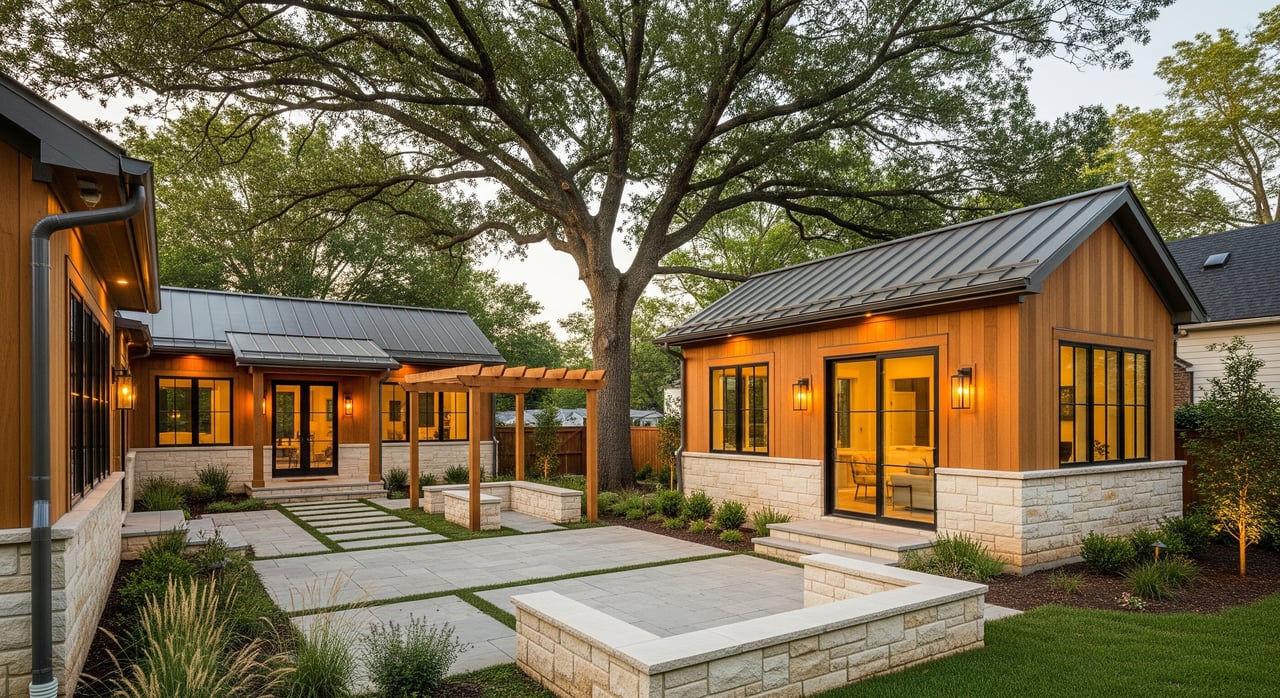
A Detached Accessory Dwelling Unit is a small, self-contained home on the same lot as your main house. It sits separate from the primary dwelling and must remain subordinate in size and height. Nashville’s zoning code outlines DADU use, size, height, and placement standards in detail. You can review the core standards in Section 17.16.030 of the Metro Zoning Code for detached accessory dwellings.
- DADUs can be new stand-alone structures or built above a garage or workshop.
- DADUs are different from attached accessory apartments. Make sure your project is classified correctly before you design or apply.
For code language and use standards, see the Metro Zoning Code’s detached accessory dwelling section in §17.16.030.
Where DADUs are allowed in Antioch
Whether you can build a DADU depends on your parcel’s zoning and overlays. Start with the official NashvilleMaps Parcel Viewer to check your base zoning and any overlays or alley access. You can access mapping tools through Metro Planning Mapping & GIS.
Here are common Antioch triggers:
- R or RM zoning: A DADU may be allowed if at least one is true: the lot is in a Historic Overlay, the lot has an alley, the lot is 15,000 sq ft or larger, or it’s in an Urban Design Overlay that allows DADUs.
- RS zoning: Generally requires a DADU overlay to allow a DADU.
- Specific Plan (SP) or other overlays: These can add or change standards. Confirm with Zoning.
Metro’s DADU standards and application basics are summarized on the Metro Codes DADU page.
Owner-occupancy and ownership
- One of the two dwellings must be owner-occupied. This aligns well with a house-hacking setup where you live in one and rent the other.
- You cannot subdivide or sell the DADU as a separate unit. It must remain on the same parcel under the same ownership. See the Metro Codes DADU page for details.
Design and site rules to know
Getting the layout right on day one saves time and fees later. Key standards include:
Location on the lot
- Place the DADU behind the primary structure, in the rear yard.
- Do not build over recorded easements or platted setbacks. See siting guidance on the Metro Codes DADU page.
Size and height limits
- Living area is typically capped at 700 sq ft. Footprint limits vary by lot size. On lots under 10,000 sq ft, expect a footprint cap near 750 sq ft. Check the exact table for your zoning in §17.16.030.
- The roof ridge must be lower than the main house and may not exceed 27 feet. Eave height caps apply as well. The code includes measurement rules and eave benchmarks. See §17.16.030 for the specifics.
Setbacks
- Accessory building setbacks generally apply. If your DADU footprint is 700 sq ft or less and it sits to the rear, reduced setbacks may apply: side setbacks can be half the required side yard but not less than 3 feet; rear yard is typically at least 3 feet. Confirm the exact numbers with Codes. See the Metro Codes DADU page for guidance.
Driveways and parking
- If there is no alley, you are limited to one curb cut serving both the house and the DADU. If there is an alley, access should come from the alley and no new street curb cut is allowed.
- A maximum driveway width applies for street access, commonly 12 feet. Confirm with Codes. See access standards on the Metro Codes DADU page.
Other accessory structures
- When you add a permitted DADU, other accessory structures on the lot may be limited in size. Some sections cap other accessory buildings at 200 sq ft. See the Metro Codes DADU page and confirm for your property.
Historic overlays
- If your property sits in a Historic Overlay, you will have additional design review and you will typically need a recorded restrictive covenant before permits are issued. Review the Historic Zoning Commission’s DADU guidance here.
Permitting, recordation, and inspections
Plan for multiple agency reviews and a few key milestones.
Start with zoning. Speak with the Zoning Help Desk to confirm eligibility, setbacks, height, overlays, and any Specific Plan conditions. Next, submit for building permits. See the overall building permit process.
Licensed contractor required. A property owner cannot self-permit new DADU construction. A licensed contractor must pull the DADU permit. See the Metro Codes DADU page for applicant requirements.
Submittals. Expect to provide a site plan with dimensions to property lines and easements, floor plans, elevations, and any checklists that Codes requests.
Record the restrictive covenant. Before certain permits are issued, you must record a covenant with the Register of Deeds stating the DADU remains accessory and will follow ordinance conditions. Codes will ask for the recorded instrument number. See recording steps on the Restrictive Covenants page.
Inspections and occupancy. Building and trade inspections lead to a final Use and Occupancy approval before anyone can live in the DADU. See the building permit process for inspection steps.
Utilities, taxes, insurance, and rentals
These items affect cash flow and compliance, so address them early.
- Utility meters. DADUs may be served by separate utility meters if the utilities approve it. Metro Water may require meter upgrades or a new service based on demand. Start with Metro Water’s meter and inspection guidance, and check electric options, including NES’s supplemental residential rate.
- Taxes. Adding a dwelling typically raises assessed value, which can increase property taxes. For an estimate, consult the property assessor or a local appraiser.
- Insurance and lending. A second dwelling can change your homeowners insurance needs and may have lender implications. Notify your insurer and mortgage servicer before construction.
- Renting and STRs. Long-term renting is generally allowed within building and occupancy limits, and one of the dwellings must be owner-occupied. Short-term rental use requires an STR permit and has specific rules: owner-occupied permits are limited to natural persons who permanently reside on the property, and only one STR permit is allowed per lot in single-family and two-family districts. Review permit types and eligibility on the STR permits page.
A simple Antioch house-hacking plan
Use this quick path to validate your idea and avoid rework.
- Check your parcel. Confirm zoning, overlays, alley access, and easements with Metro Planning Mapping & GIS.
- Confirm eligibility with Codes. Call or visit the Zoning Help Desk and reference the standards on the Metro Codes DADU page.
- Assemble your team. Hire a licensed contractor and, if needed, an architect with DADU experience.
- Plan utilities. Discuss meter capacity and service options early with Metro Water and NES. Start with Metro’s water meter inspection guidance.
- Record the covenant. Prepare the required document and record it with the Register of Deeds. Follow the steps on the Restrictive Covenants page.
- Decide on rental strategy. If you plan short-term rentals, verify you meet owner-occupied requirements and the one-per-lot rule on the STR permits page.
Common pitfalls to avoid
- Assuming all Antioch lots qualify. Many require an overlay, alley, or minimum lot size. Check eligibility first.
- Oversizing plans. Designs that exceed living area or height limits will be delayed or denied. Verify against §17.16.030.
- Skipping the restrictive covenant. Your permits will stall without it. Use the Restrictive Covenants page.
- Pulling your own permit. A licensed contractor must pull the DADU permit.
- Adding a new curb cut when an alley exists. Most sites with alleys must take access from the alley.
Local resources
- Mapping and zoning lookups: Metro Planning Mapping & GIS
- DADU standards and eligibility: Metro Codes DADU page
- Permit steps and inspections: Building permit process
- Historic design review: Historic DADU guidelines
- Water meter and service: Metro Water meter guidance
- Electric service options: NES supplemental residential rate
- STR permits and rules: Short-term rental permit types
Ready to map a DADU strategy that fits your Antioch property and your goals? Reach out to Pinnacle Point Properties and Development for local guidance on eligibility, valuation, and rental positioning.
FAQs
Can I build a DADU on my Antioch lot if I don’t have an alley?
- Possibly. In R or RM zones you may qualify through a Historic Overlay, an Urban Design Overlay, or a lot size of at least 15,000 sq ft. RS zones generally need a DADU overlay. Verify eligibility with the Zoning Help Desk and the Metro Codes DADU page.
What are the size and height limits for a Nashville DADU?
- Living area is typically capped at 700 sq ft, with footprint limits based on lot size, and a maximum height of 27 ft that remains subordinate to the main house. See §17.16.030 for exact standards.
Do I need a licensed contractor to build a DADU in Davidson County?
- Yes. Owners cannot self-permit new DADU construction. A licensed contractor must pull the permit. See the Metro Codes DADU page.
Can I rent my Antioch DADU on Airbnb while I live in the main house?
- Often yes, with an owner-occupied STR permit if your zoning allows it. Only one STR permit is allowed per lot in single-family and two-family districts, and the permit holder must be a natural person who permanently resides there. Check the STR permits page.
Can the DADU have separate utility meters so a tenant pays their own bills?
- Sometimes. DADUs may have separate meters if utilities approve. Coordinate early with Metro Water and NES about capacity, service options, and fees. Start with Metro’s water meter guidance.
Do I have to record a restrictive covenant for a DADU in Nashville?
- Yes. Recording a covenant that affirms accessory use and conditions is required prior to certain permits. See the Restrictive Covenants page.