Appraisal day coming up for your North Nashville home? You want a smooth visit and a value that reflects the true market worth of your property. With a little prep and the right documents, you can help the appraiser verify what makes your home stand out and avoid last‑minute surprises. This guide gives you a clear checklist, local context, and what to expect from start to finish. Let’s dive in.
Appraisal basics in North Nashville
What an appraisal is and who orders it
An appraisal is a licensed appraiser’s independent opinion of market value prepared for a mortgage lender. Lenders use the report to confirm the home is adequate collateral for the loan. The buyer’s lender or its appraisal management company orders the appraisal, and the buyer typically pays the fee as part of closing costs. Learn more about consumer interactions with appraisers from the Appraisal Institute.
When the appraisal happens
The appraisal is usually scheduled after you have an accepted offer and the buyer’s loan moves into processing. Buyers generally receive a copy of the appraisal from their lender in line with federal disclosure rules.
Appraisal vs. home inspection
An appraisal estimates value for the lender. A home inspection evaluates condition for the buyer. Appraisers note condition issues that affect value or marketability, but they do not perform an inspector’s system‑by‑system review. See a simple comparison in this inspection vs. appraisal overview.
How appraisers determine value
Sales comparison leads the way
For most North Nashville single‑family resales, appraisers rely on the Sales Comparison Approach. They analyze recent, nearby closed sales of similar homes, then adjust for differences like size, age, condition, lot features, and amenities. For details on how comparables are selected and adjusted, see Fannie Mae’s guidance on the Sales Comparison Approach.
Neighborhood analysis matters
Appraisers study neighborhood boundaries, trends, and any land‑use pressures that influence value. They reconcile the final value to the most relevant comparable sales and must explain their adjustments. Learn what goes into the neighborhood section in Fannie Mae’s Neighborhood analysis guidance.
North Nashville context to know
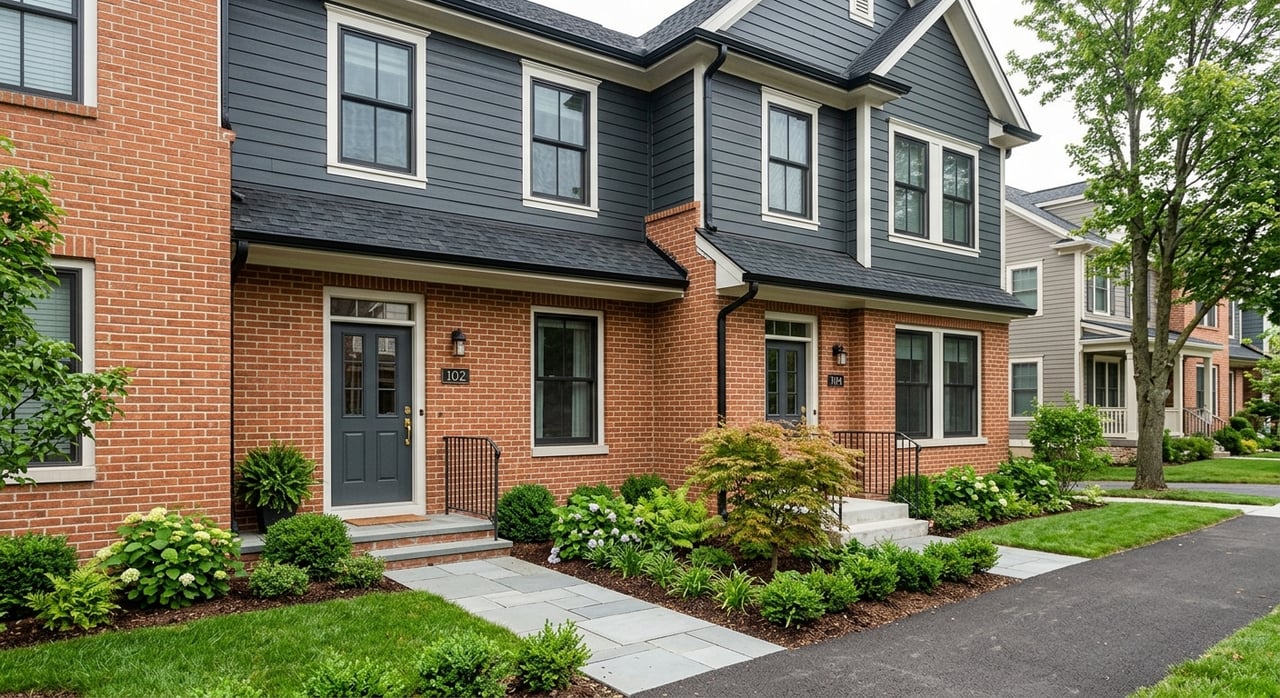
As of February 2026, North Nashville’s median sale price is around $515,000, with average days on market often in the 117 to 119 range. Subareas can differ, and places like Germantown and Salemtown may trend higher than nearby blocks. Housing stock is varied, with historic homes, renovated infill, and newer townhomes often within a short distance of each other. Because of this mix, the best comps are hyper‑local. Your agent’s neighborhood‑level comps will matter more than city‑wide averages.
What appraisers check on site
Expect the appraiser to tour the interior and exterior, take photos, and record details such as:
- Gross living area and room counts
- Foundation and roof type and visible condition
- Major systems like HVAC, water heater, and electrical service
- Visible signs of structural, water, pest, or other material issues
- Finish quality and significant updates or renovations
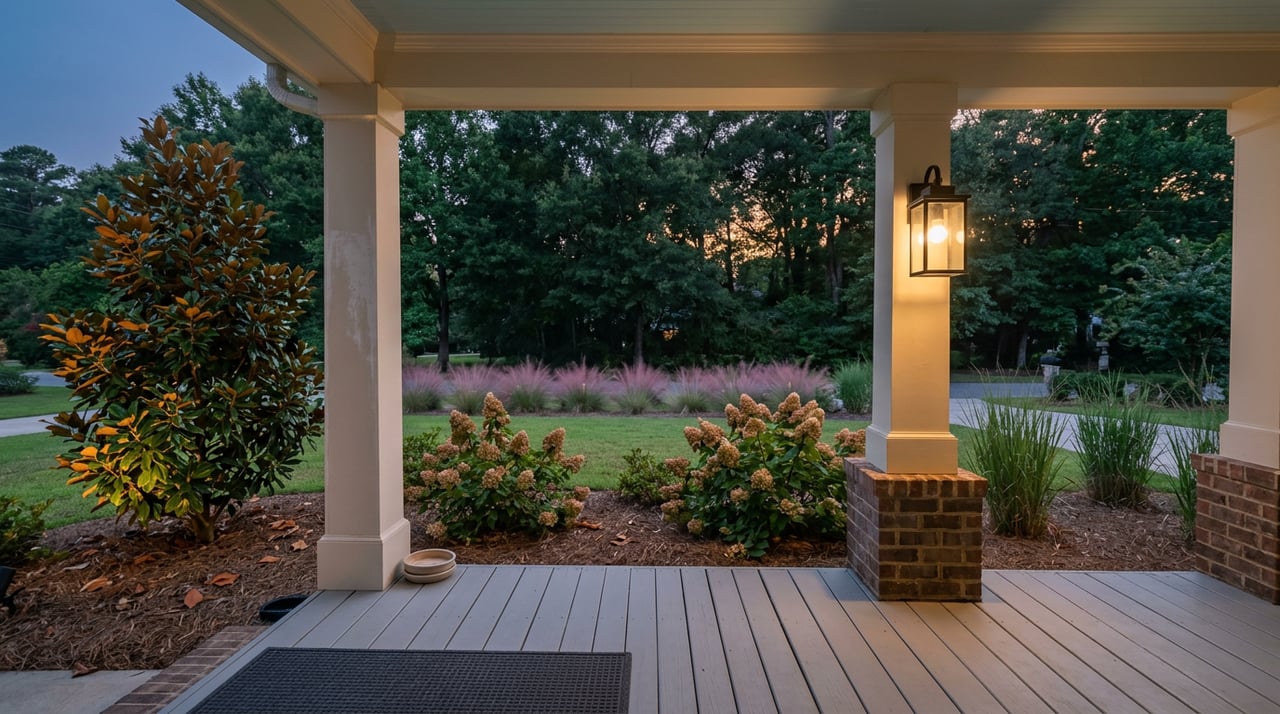
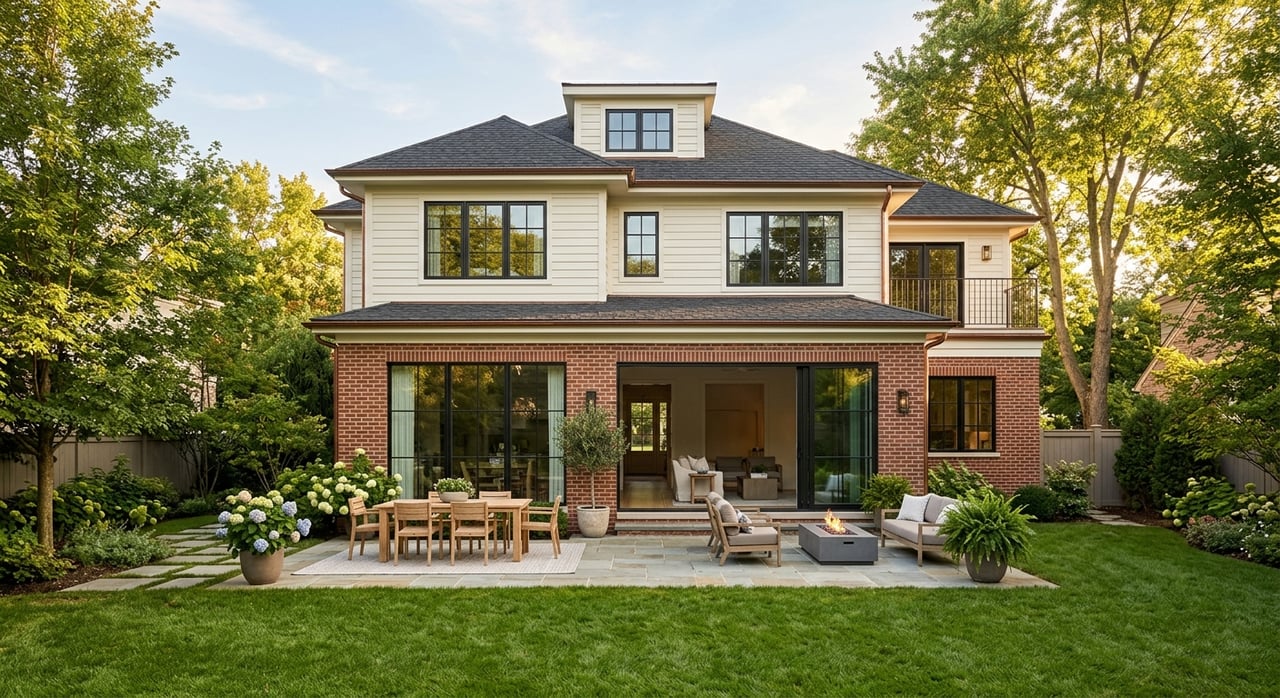
- External features like porches, decks, driveway, fencing, landscaping, and outbuildings
If work was completed without permits, the appraiser may flag it for the lender. For FHA and similar loans, appraisers also check basic safety and habitability. HUD’s Minimum Property Requirements call out immediate safety issues such as active roof leaks or serious electrical hazards. You can review the FHA standards in HUD’s MPR guidance.
Some refinance loans use desktop or hybrid appraisals, but for most purchase transactions you should expect an on‑site visit unless your lender tells you otherwise.
Permits and records to verify
North Nashville sees frequent renovations and infill. Having permits and final inspection sign‑offs ready often removes value questions quickly. Use Metro Nashville Codes’ public portal to locate permit and inspection records, or confirm guidance for Use and Occupancy letters through Metro Nashville Codes. You can also verify assessor measurements, parcel IDs, and tax history through the Davidson County Assessor’s real property search.
Your 2‑week prep checklist
7 to 14 days before
- Confirm permits and records. Gather permit receipts, inspection sign‑offs, and any certificates of occupancy related to additions or major work so the appraiser can verify them easily.
- Build a simple improvements ledger. Create a one‑page list of upgrades with dates and contractors, such as roof replacements, HVAC, windows, kitchen and bath remodels. Concise documentation helps justify condition and age adjustments.
- Organize neighborhood‑level comps. Ask your agent for the closed sales they used to price your home, including addresses, sale dates, and any concessions. Share this through your agent or lender’s channel, not directly to the appraiser.
For more practical ideas, you can reference this consumer‑friendly home appraisal prep checklist.
Easy fixes that help
- Clean and declutter so room sizes and functions are obvious.
- Touch up high‑traffic paint, tighten hardware, replace burned‑out bulbs, and repair torn screens or loose handles.
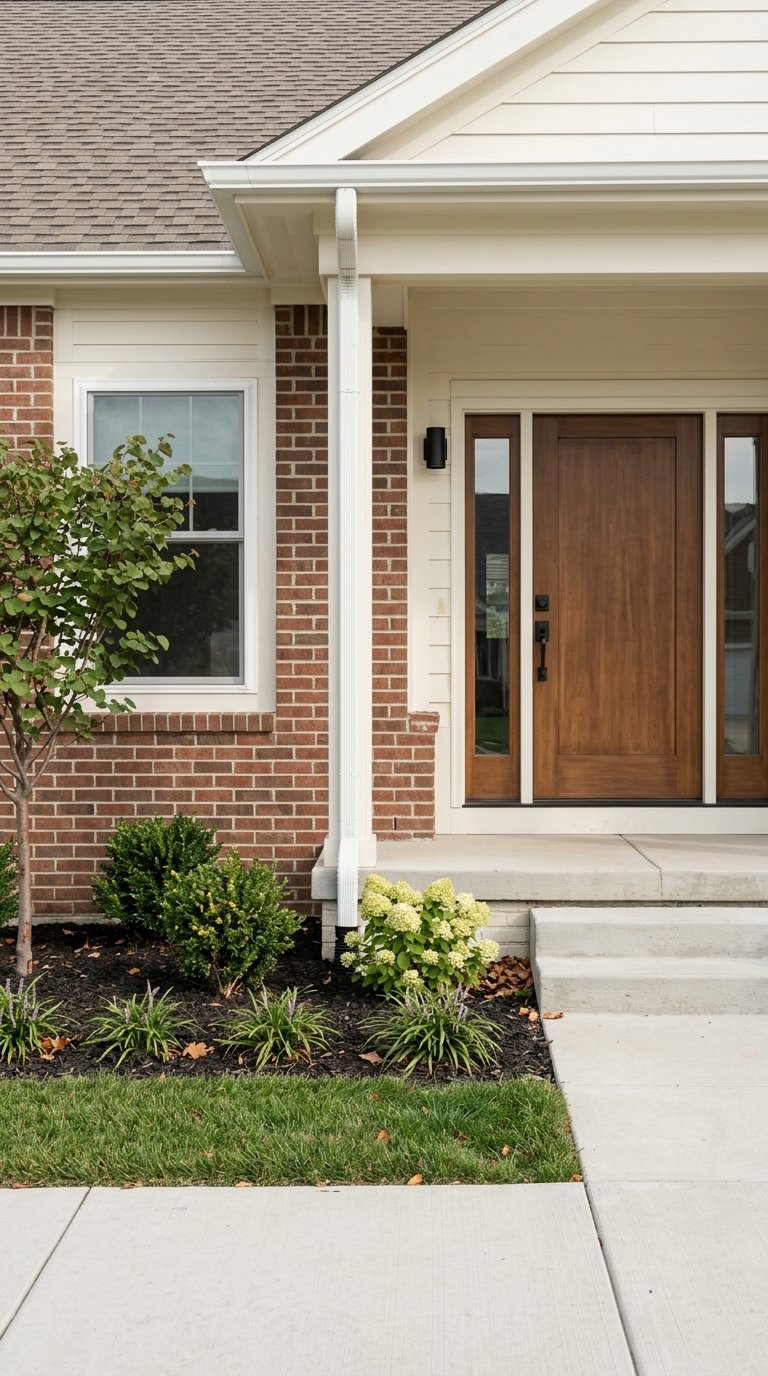
- Tidy curb appeal. Mow, edge, and clear paths so exterior photos and access are straightforward.
- Secure small safety items. Install missing handrails and confirm smoke and CO detectors are present and functional. These simple steps can prevent safety comments that slow loans, especially on FHA or VA deals.
Day‑of appraisal checklist
- Make access easy. Verify lockbox and gate codes, unlock interior doors and side gates, and ensure the appraiser can reach the attic, crawlspace, garage, and backyard.
- Turn on utilities and systems. Set the HVAC to a comfortable temperature, confirm the water heater is on, and ensure any pilot lights are lit.
- Secure pets and clear hazards. Crate pets or keep them offsite, and remove trip hazards on stairs and walkways.
- Make rooms photo‑ready. Open blinds, clear countertops, and move vehicles that might block exterior shots or garage access.
Documents to assemble for your agent
Provide digital copies when you can. Keep it short and factual.
- Permits and final inspection sign‑offs for additions or major system work
- Receipts and dates for major updates like roof, HVAC, windows, kitchen or bath remodels
- Survey or plot plan and legal description, if available
- Recent utility bills that reflect occupancy and system use
- HOA documents or condo resale certificates and assessment details, if applicable
- A brief list of neighborhood features, such as nearby parks or transit options, that support marketability
Your agent can package and share these through the proper lender channels. Appraisers must remain independent, but accurate documentation helps them verify facts quickly.
What not to do
- Do not pressure the appraiser on value. You can share factual documents and comps through your agent or lender, but the appraiser must be independent.
- Do not hide unpermitted work. Undisclosed changes often trigger more questions and can delay closing.
- Do not block access. If the appraiser cannot see a space, they will have to note it in the report.
If the value comes in low
- Ask your agent to review the report for factual errors. Check square footage, room counts, and whether better comparables were missed. Your agent can submit a formal Reconsideration of Value request through the buyer’s lender with supporting documentation like permits, receipts, and alternative comps. Processes exist, but changes are not guaranteed. The Appraisal Institute outlines consumer touchpoints in its overview of appraisals.
- Consider your negotiation options. You can renegotiate price, the buyer can add cash to cover a gap, or both parties can follow the contract’s contingency path if agreement is not reached. Coordinate quickly with your agent and the buyer’s lender to keep timelines on track.
Preparing early, documenting upgrades, and making the property easy to verify can help the appraiser see full market value. If you want a second set of eyes on your documents or local comps before appraisal day, our team is here to help. Connect with Pinnacle Point Properties and Development to talk through your plan.
FAQs
What happens during a North Nashville home appraisal?
- The appraiser tours inside and out, takes photos, measures, confirms features and condition, and later compares your home to recent nearby sales to form a value opinion.
Who pays for the appraisal and can I pick the appraiser?
- The buyer usually pays the appraisal fee, and the lender selects and manages the appraiser to ensure independence, so sellers do not choose the appraiser.
How are comparable sales chosen in North Nashville?
- Appraisers focus on recent, nearby closed sales of similar homes and adjust for differences, with hyper‑local comps favored due to varied housing types and block‑by‑block differences.
What documents help the appraiser the most?
- Permits and inspection sign‑offs, an upgrades ledger with dates and receipts, surveys if available, HOA or condo docs, and recent utility bills for occupancy and systems confirmation.
What issues can delay FHA or VA loans at appraisal?
- Immediate safety or habitability problems, such as active roof leaks or obvious electrical hazards, may trigger repair requirements before the loan can close.